

Search
Or hit enter to search
By Md. Shamsuzzoha, Chairman, Department of Emergency Management, Faculty of Environmental Science and Disaster Management, Patuakhali Science and Technology University, Patuakhali, Bangladesh
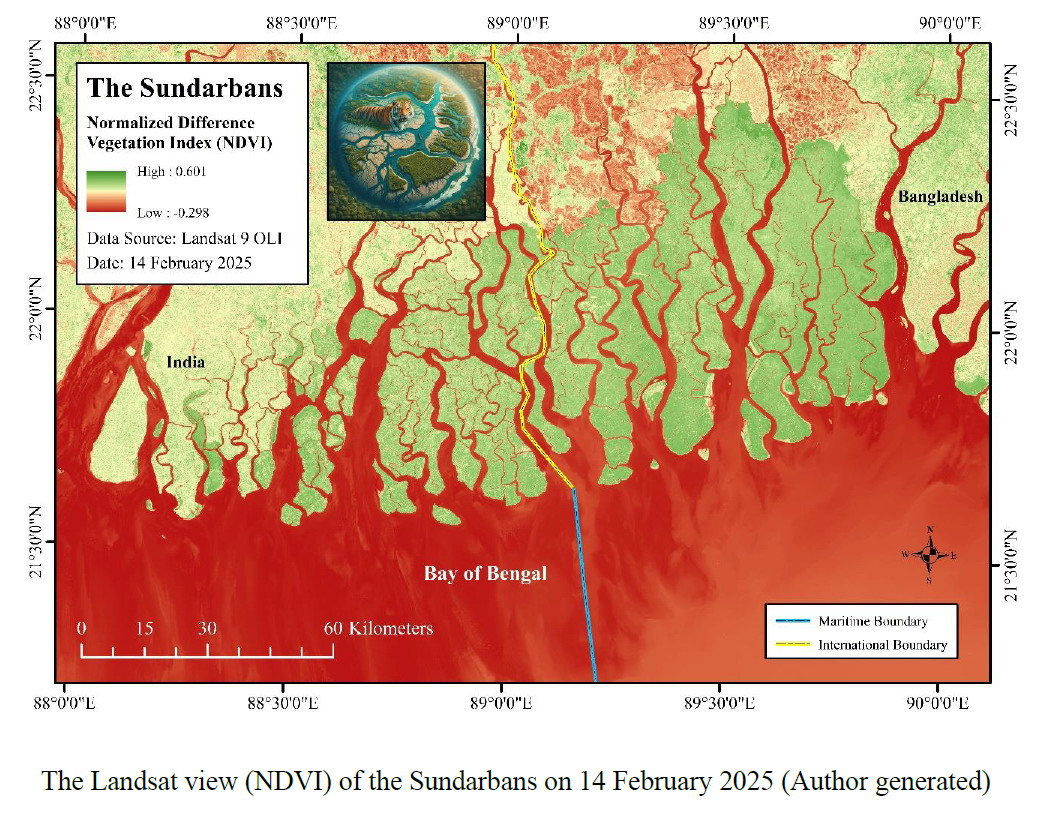
The Sundarbans is the world’s largest mangrove forest and has been designated as one of the UNESCO World Heritage Sites that acknowledges its distinctive ecological characteristics and remarkable biodiversity within the active Bengal delta1,2. The forest is renowned for being the habitat of the spotted deer and the Royal Bengal Tiger. The transboundary ecosystem of this tidal forest serves as a natural protector against climate change impacts, shoreline erosion, storm surges, and tropical cyclones2,3. However, climate change-induced extreme heat events, the frequency of cyclones, and rising sea levels pose significant challenges to the tidal habitat4.
This forest is facing natural disasters, including extreme heat events. It also exerts direct influence on agriculture, human health, and the local economy. The challenges posed by extreme heat are frequently disregarded in conventional disaster management plans 5. Coastal disaster management plans must incorporate extreme heat as a critical element to safeguard the millions of individuals reliant on this vulnerable mangrove ecosystem. Extreme heat has been shown to generate heat waves in coastal regions, which have been associated with an escalation in various plant and animal diseases, tigers, crocodiles, and dolphins’ extinction, and a reduction in leaf-soil phenological conditions. Furthermore, the capacity of severe heat to diminish plant reproduction and compromise wildlife security has been demonstrated. Consequently, India and Bangladesh’s coastal disaster management strategies must comprehensively and combinedly consider severe heat and extreme climatic events, particularly in the Sundarbans. Therefore, it is essential to consider the effective integration of extreme heat into coastal disaster management plans:
Assess forest vulnerability: Finding out which plant and animal species, as well as which mangrove areas, are most vulnerable to excessive heat is crucial. This entails mapping the flood-prone Sundarbans delta areas and comprehending the environmental and meteorological elements that increase these forests’ susceptibility.
Early warning systems: Early warning systems for heat waves, tidal surges, coastal flooding, and tropical cyclones must be developed and put into place. These systems are meant to give coast guards, forest authorities, and coastal populations that depend on the Sundarbans timely information so they may take the necessary precautions.
Mangrove plantation and adaptation: Enhancing plantation efforts is essential to guaranteeing the resilience of mangrove plantations against extreme heat-induced events. This covers the planning of plantation sites, the choice of adaptable plant species that help create the best possible mangrove habitat, and the execution of strategies to improve tidal biodiversity.
Public awareness and education: Awareness raising and resilience building to mitigate the calamities caused by intense heat-induced climatic events are crucial to train affected people on how to save themselves through appropriate disaster risk reduction (DRR), emergency management, and resilience strategies.
Policy integration: The disaster management plans and policies relevant to the 4Rs (reduction/mitigation, readiness/preparedness, response, and recovery) of emergency management must be considered. Governmental, non-governmental organisations, and local communities must work in a participatory approach by organising community awareness, preparedness, and DRR campaigns.
References:
| সুন্দরবনের জন্য উপকূলীয় দুর্যোগ ব্যবস্থাপনায় অতিরিক্ত তাপপ্রবাহের একীভূতকরণ
সুন্দরবন হলো বিশ্বের বৃহত্তম জোয়ারভাটা অঞ্চলভিত্তিক ম্যানগ্রোভ বন এবং এটি ইউনেস্কোর ওয়ার্ল্ড হেরিটেজ সাইট হিসেবে স্বীকৃত। এই বন শুধু রয়েল বেঙ্গল টাইগার ও চিত্রল হরিণের আবাসস্থল নয়, বরং উপকূলীয় অঞ্চলের জলবায়ু পরিবর্তনের ঝুঁকি যেমন ঘূর্ণিঝড়, জলোচ্ছ্বাস এবং নদীভাঙনের বিরুদ্ধে একটি প্রাকৃতিক প্রতিরক্ষাও। কিন্তু জলবায়ু পরিবর্তনজনিত অতিরিক্ত গরম, ঘন ঘূর্ণিঝড় এবং সমুদ্রপৃষ্ঠের উচ্চতা বৃদ্ধির ফলে এই জটিল ও স্রোতজ বাস্তুতন্ত্রটি মারাত্মক হুমকির মুখে পড়েছে। অত্যধিক তাপের কারণে গাছপালা ও প্রাণীদের রোগবৃদ্ধি, প্রজনন ব্যাহত হওয়া এবং বাস্তুতন্ত্রে ভারসাম্যহীনতা তৈরি হচ্ছে। তাই উপকূলীয় দুর্যোগ ব্যবস্থাপনা বিষয়ক পরিকল্পনায় উষ্ণতা বৃদ্ধি সংক্রান্ত ঝুঁকিকে অন্তর্ভুক্ত করা অতীব জরুরি। এই প্রেক্ষাপটে প্রবন্ধে কয়েকটি গুরুত্বপূর্ণ করণীয় নির্ধারণ করা হয়েছে: প্রথমত, গরমে সবচেয়ে বেশি ক্ষতিগ্রস্ত গাছপালা ও প্রাণীকূল নির্ধারণ; দ্বিতীয়ত, গরম ও ঘূর্ণিঝড় মোকাবেলায় আগাম সতর্কতা ব্যবস্থা তৈরি; তৃতীয়ত, সহনশীল ম্যানগ্রোভ গাছের চারা রোপণের টেকসই কৌশল গ্রহণ; চতুর্থত, জনসচেতনতা বৃদ্ধি; এবং সর্বশেষ, দুর্যোগ ব্যবস্থাপনায় ‘চার-আর’ নীতি (প্রতিরোধ, প্রস্তুতি, প্রতিক্রিয়া, পুনরুদ্ধার) বাস্তবায়ন। |
Disclaimer: The views expressed in this piece are those of the author/s and do not necessarily reflect the views or policies of AIDMI.
