Search
Or hit enter to search
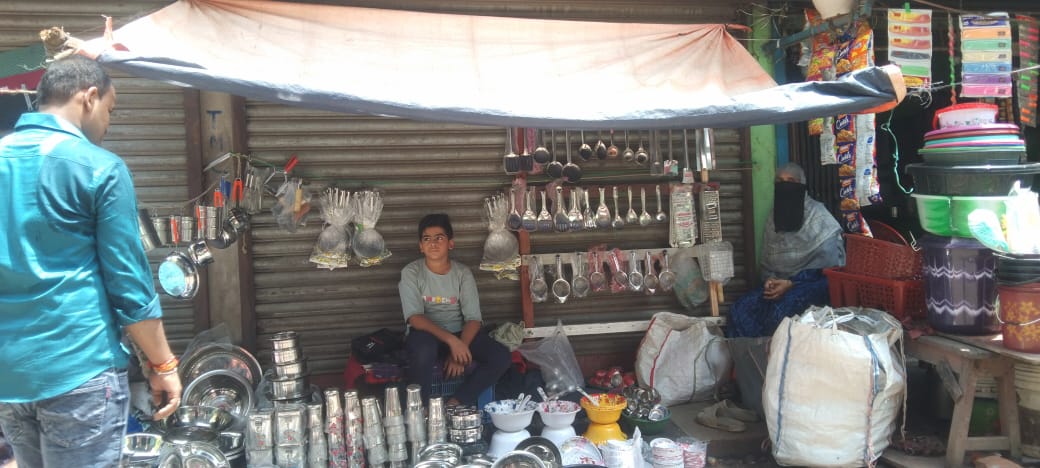
Celebrating IDDRR 2025 with India’s Small Businesses
A Day for Reflection and Renewal
Every 13 October, the International Day for Disaster Risk Reduction (IDDRR) invites the world to pause, reflect, and renew its commitment to safer futures. The 2025 theme—“Fund Resilience, Not Disasters”—captures a simple but transformative truth: spending on prevention is not a cost, it is an investment in dignity, stability, and growth.
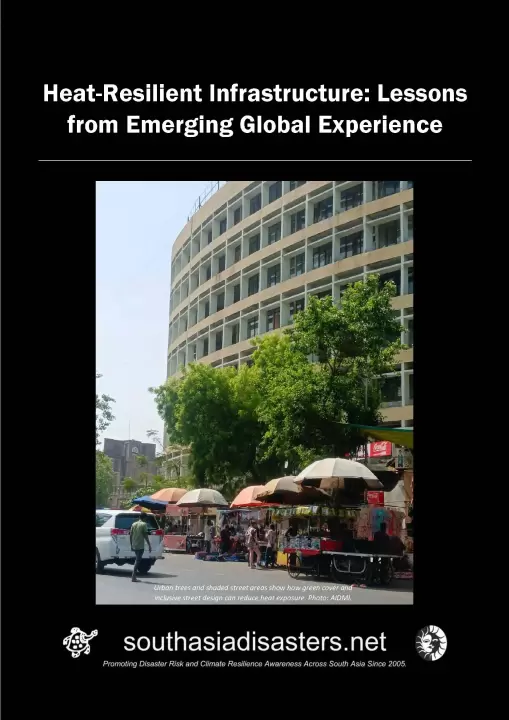
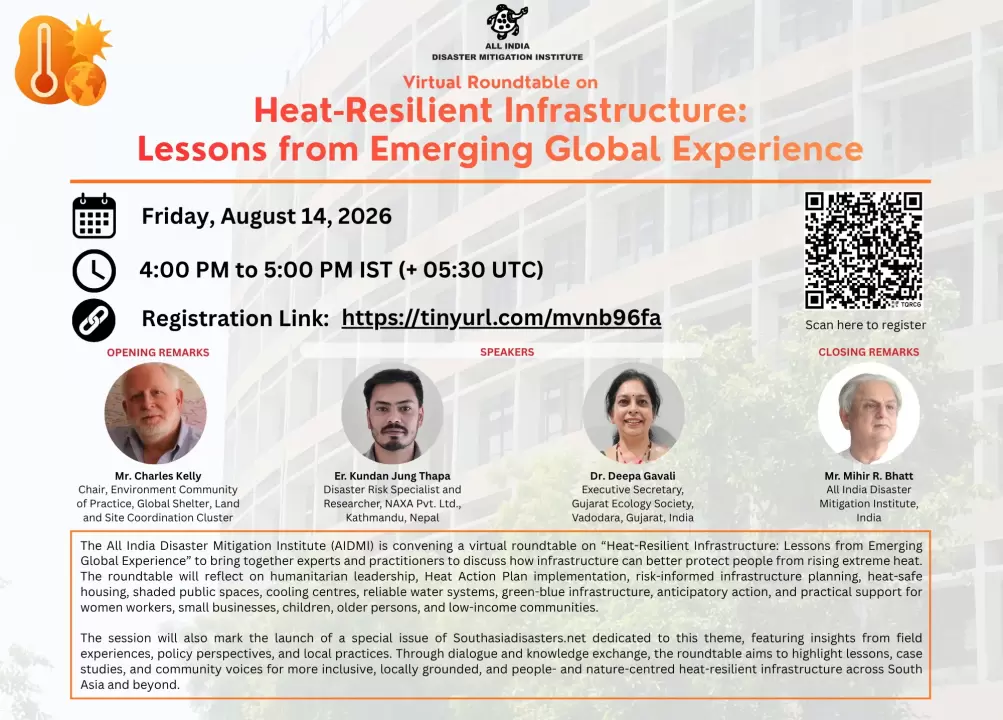
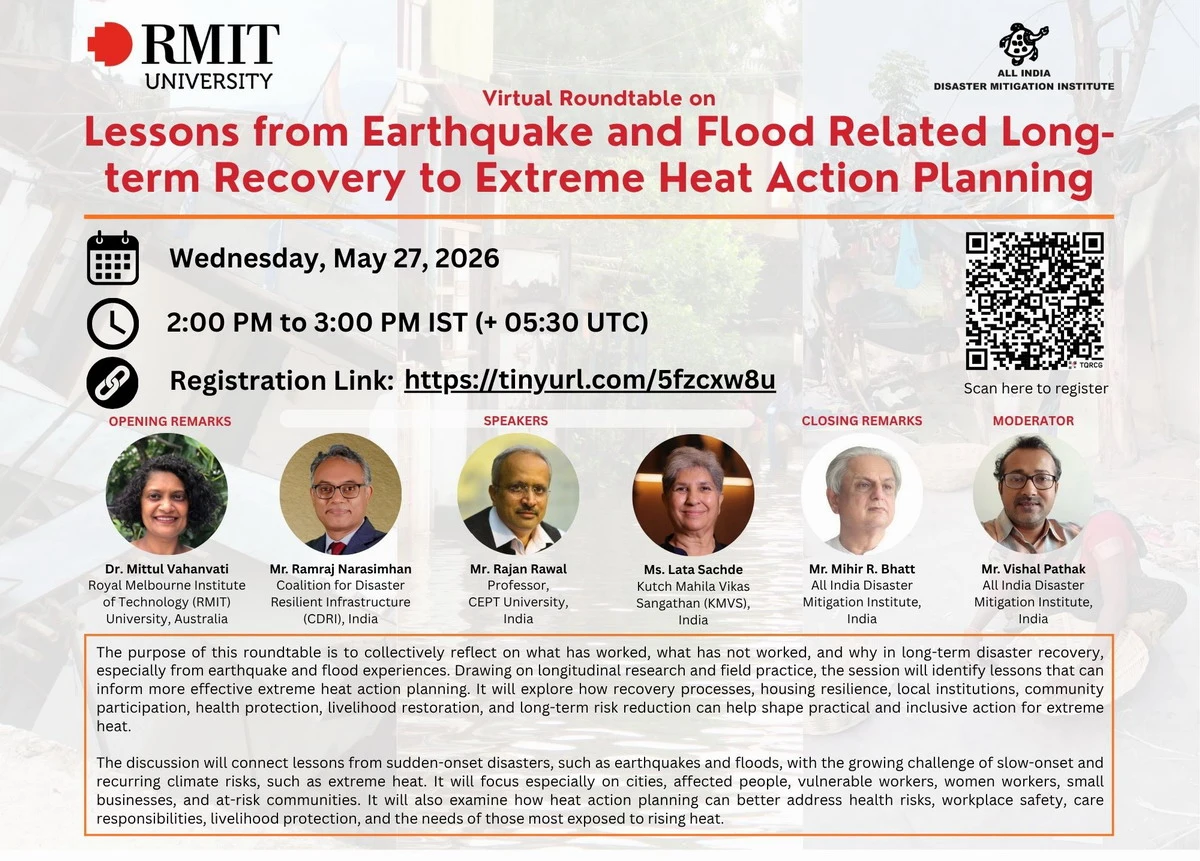
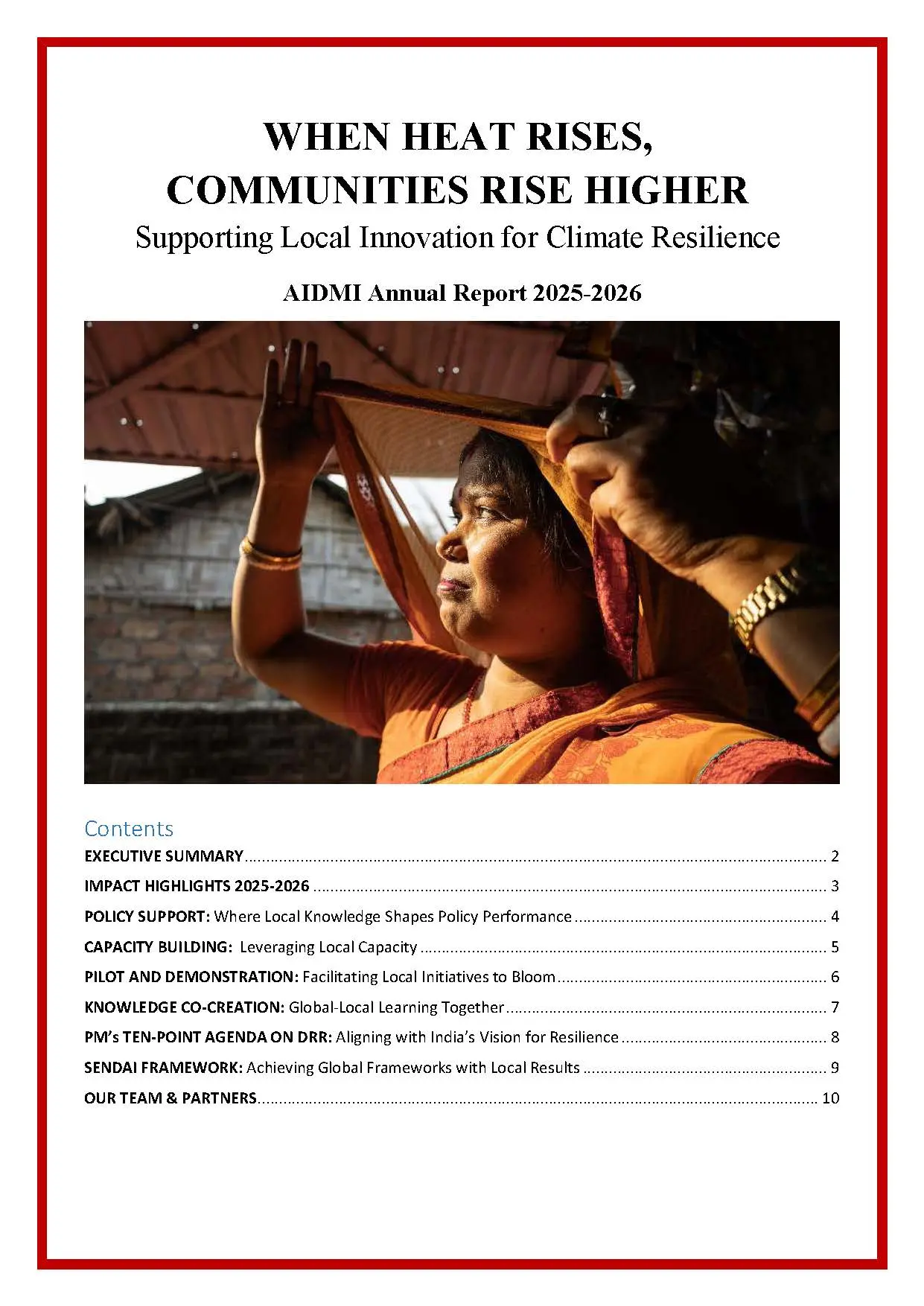
This year, All India Disaster Mitigation Institute (AIDMI) marked IDDRR 2025 alongside 200 small business owners from six Indian cities—Ahmedabad, Rewa, Puri, Cochin, Kolkata, and Leh. Together, these communities celebrated their own achievements in planning and implementing local adaptation measures against unseasonal rain, heavy downpours, floods, and extreme heat.
The celebration was not a ceremony; it was a living demonstration that resilience is built by ordinary people with extraordinary persistence—and that governments, markets, and civil society can align to make this resilience possible.
National Leadership, Local Partnerships
India’s national and state authorities have laid a strong foundation for local resilience. The National Disaster Management Authority (NDMA), through its Guidelines on Heat Wave Risk Management and the National Action Plan on Heat-Related Illnesses (2023), has support for stronger turning awareness into action.
State governments—from Gujarat’s pioneering Heat Action Plan to Odisha’s inclusive disaster-preparedness programmes—have shown that policy leadership matters. Municipal corporations such as Ahmedabad Municipal Corporation (AMC) are now embedding risk reduction into city planning and budgeting.
AIDMI’s work complements these initiatives by bringing micro-scale financing, training, and data directly to small businesses—the first responders and first restorers of every city’s economy.
“For over three decades, AIDMI has journeyed alongside the people of India’s cities – listening, learning, and taking action. Urban resilience is not a one-time project but a continuous process of empowering local voices to shape safer and more inclusive futures.” – notes Mihir R. Bhatt, Director of AIDMI. Addressing extreme heat through locally-led, anticipatory action is not optional – it’s essential. AIDMI see the role as connecting national vision to local level action.
Six Cities, Many Lessons
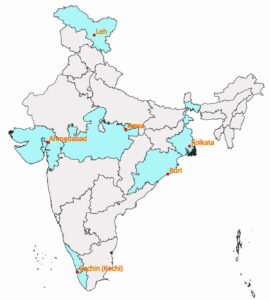
Ahmedabad – Heat and Hope – “Earlier we did not know about heat risk management and most of the times we impacted by loss and damage. Now we have built our understanding on extreme heat, its early warning, behaviour change and protect ourselves and our customers,” said Bhavnaben Dantani, a fruit seller.
Cochin – Cool Solutions for Hot Markets – “Small changes like food and cloth habits, tarps and sheds made work bearable,” explained Preethu Prasad, a toy seller.
Kolkata – Resilience as Smart Business – “A prioritised to have refrigerator and the support to my business result into not only better and safer storage but also my ability to provide cool, natural and local food and drinking services to my clients. Turning my adaptation into profit. The storage saves goods and adds income.” Said Ms. Mita Saha.
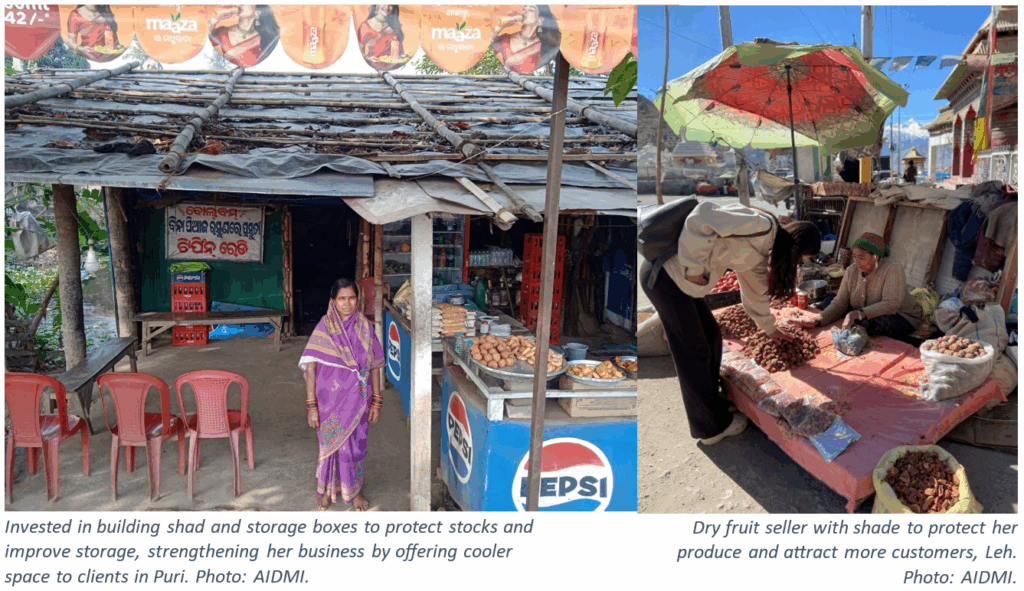
Leh – Preparing for a Warming Mountain – At 11,500 feet, climate change feels new but urgent. “We installed umbrellas, insulated bottles, and cotton uniforms. These may seem small, but it keeps us healthy and working”, said by Ms. Sonam Angmo, a fruit seller.
Puri – Shade, Hydration, Preparedness – “Following simple do’s and don’ts on extreme heat, response to early warning and bamboo shade construction resulted into increase client foot prints even at noon” – said by Rabinarayan Sahoo, a tiffin seller.
Rewa – Every Rupee Counts – Small resilience fund supported me resulted into increase of 25% productivity reported by Sunil Kushwaha, a carpenter.
Data That Tells a Constructive Story
| Outcome | Result | Insight |
| Businesses reporting reduced losses | > 80 % | Preparedness pays before relief arrives |
| Small businesses using early-warning information | > 60 % | Technology + awareness = timely action |
| Women-Led Businesses | > 60 % | Inclusion strengthens community leadership |
| Families reporting fewer heat illnesses | ≈ 60 % | Health protection equals livelihood protection |
These figures reaffirm that small investments create big impacts—a lesson consistent with the World Bank estimate that every $1 spent on resilience saves $4 in future losses.
Moving Forward: Scaling What Works
AIDMI’s Ahmedabad Case Station for Avoidable Deaths (ACASA), under the Avoidable Death Network (AND), is documenting how temperature alerts and workplace changes reduce illness among small businesses and transportation workers—an example of science meeting lived experience.
The IDDRR 2025 activities suggest three priorities for policy and practice:
Each of these builds upon existing government structures rather than replacing them, ensuring continuity and scalability.
A Celebration of Collective Progress
IDDRR 2025 was more than a day of speeches. In markets and lanes across six cities, small businesses displayed new umbrellas, shaded stalls, and understood early-warning information and platforms.
The message from these communities is clear and constructive: Resilience is not charity; it is shared responsibility.
“The heat will come again. But now we are ready—and I am not alone,” said Ramesh Majhi, a fruit seller from Puri.
Conclusion: Fund Resilience, Grow Confidence
Across India, the concept of funding resilience is already gaining traction. National frameworks, state leadership, and local innovation are converging to protect the people who keep cities alive.
For AIDMI and its partners, IDDRR 2025 marks a milestone in a continuing journey—from relief after loss to readiness before crisis. It is a story of constructive collaboration: of governments enabling, citizens adapting, and institutions linking them through knowledge and compassion.
When we support climate action, we support confidence, continuity, and care—the true currency of sustainable development.
For more information, please contact Mr Manish Patel, knowingrisk@aidmi.org.