

Search
Or hit enter to search
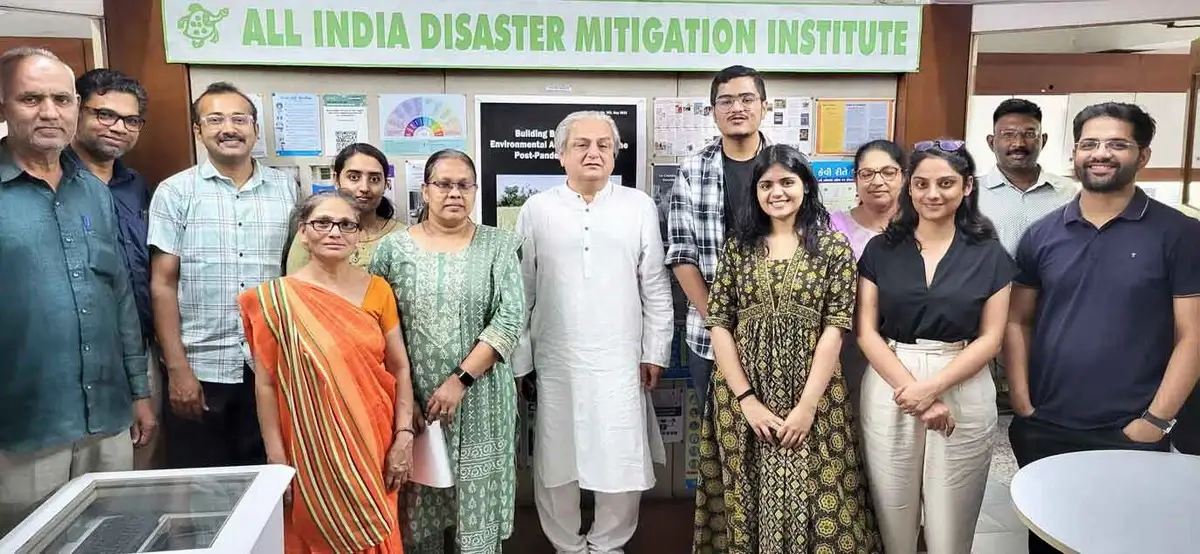 The All India Disaster Mitigation Institute (AIDMI) is a registered non-governmental organisation based in Gujarat, India. It is a community-based action planning, research and policy support local organisation, working towards bridging the gap between policy, practice and research related to humanitarian action, disaster risk reduction and climate change adaptation as laid out in the National Disaster Management Plan of Government of India of 2019.
Established after the 1987-89 Gujarat droughts, AIDMI has worked over the years to cover a total of nine types of disasters in eighteen areas of India and beyond to nine countries in Asia. AIDMI connects local communities to national and international risk reduction, relief, and long-term recovery programmes and policies, helping them build resilience as outlined in the Sendai Framework for Disaster Risk Reduction (SFDRR). As an action-orientated and learning organisation, AIDMI promotes disaster risk mitigation and adaptation to climate change by supporting, capturing, processing and disseminating disaster-related information, lessons and innovative ideas. In this endeavour, AIDMI routinely carries out stakeholder roundtables, trainings of trainers, reviews, evaluations, research studies, and pilot projects with the citizens are in the centre.
A resilient society that empowers it’s poor and excluded citizens with the right to access public resources to manage their own disaster recovery through their own coping mechanisms.
To mainstream disaster risk reduction by turning disaster relief and rehabilitation into an opportunity for sustainable human security and poverty alleviation by supporting poor and excluded citizens.
AIDMI aims to achieve this mission through the following strategy:
AIDMI’s focus is on promoting and strengthening a practice of community-based Disaster Risk Reduction (DRR) through:
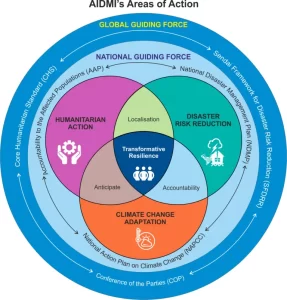
AIDMI has partnerships with local, national, and regional-level governmental and non-governmental organisations; UN agencies; universities and research centres; and private companies.
Bipin Shah
Mihir R. Bhatt
Renana Jhabvala
Rutul Shah
AIDMI is a youthful, multidisciplinary team of 40 people with experience across several fields. The team’s expertise spans disaster management, social sciences, liberal arts, commerce, urban planning, rural development, business, engineering, architecture, accounting and finance.
This diversity is an asset for AIDMI’s community-based work on disaster risk reduction, climate resilience, humanitarian action, research, policy engagement and field practice.
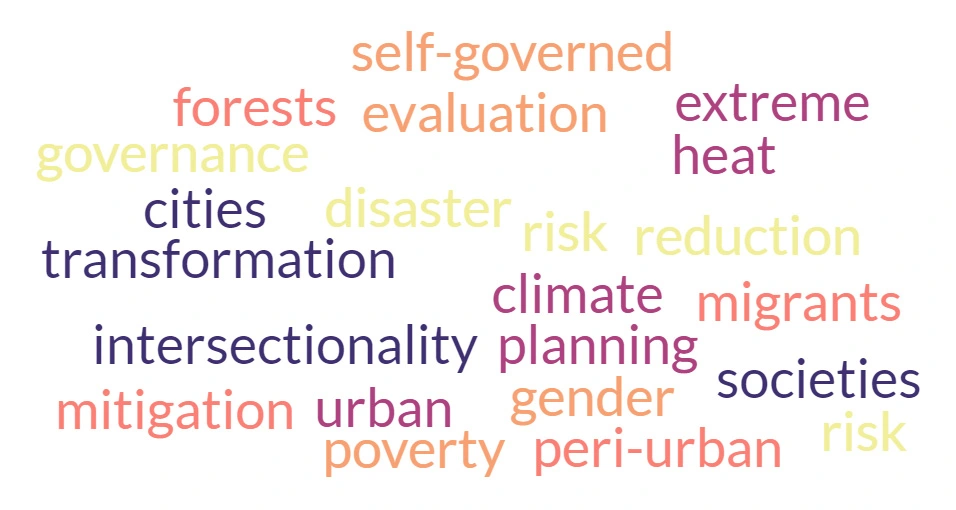

AIDMI works across India in the states of Andhra Pradesh, Assam, Bihar, Chhattisgarh, Gujarat, Himachal Pradesh, Karnataka, Kerala, Madhya Pradesh, Maharashtra, Nagaland, Punjab, Odisha, Rajasthan, Sikkim, Tamil Nadu, Telangana, Tripura, Uttarakhand, Uttar Pradesh, and West Bengal, as well as the Union Territories of Andaman & Nicobar Islands, Delhi, Jammu & Kashmir, Ladakh, and Puducherry.
AIDMI’s regional engagement also extends to countries across South Asia and the Asia-Pacific, including Afghanistan, Bangladesh, Fiji, Indonesia, Maldives, Myanmar, Nepal, Solomon Islands, and Sri Lanka.
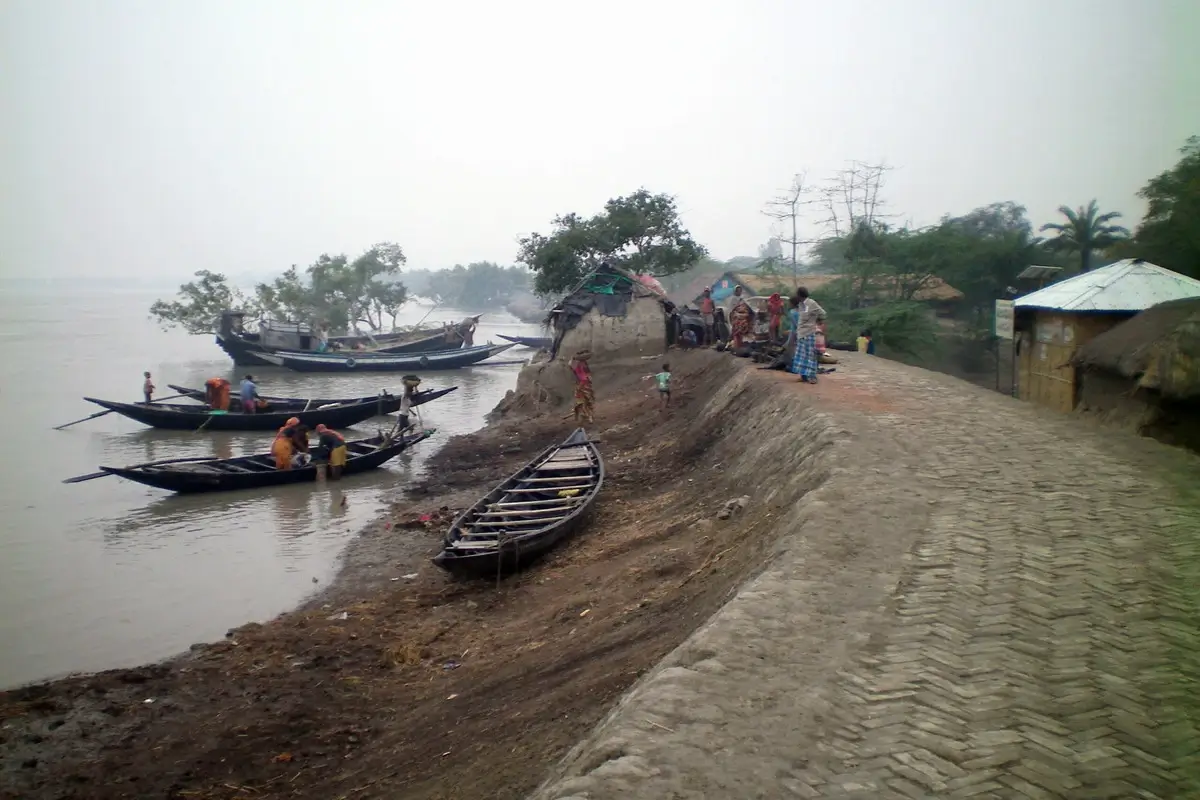
Since its establishment, AIDMI has worked in different areas of disaster management, including risk reduction, knowledge management, innovations in disaster response and recovery, and policy support covering 65 cities and 86 districts.
Read More