Search
Or hit enter to search
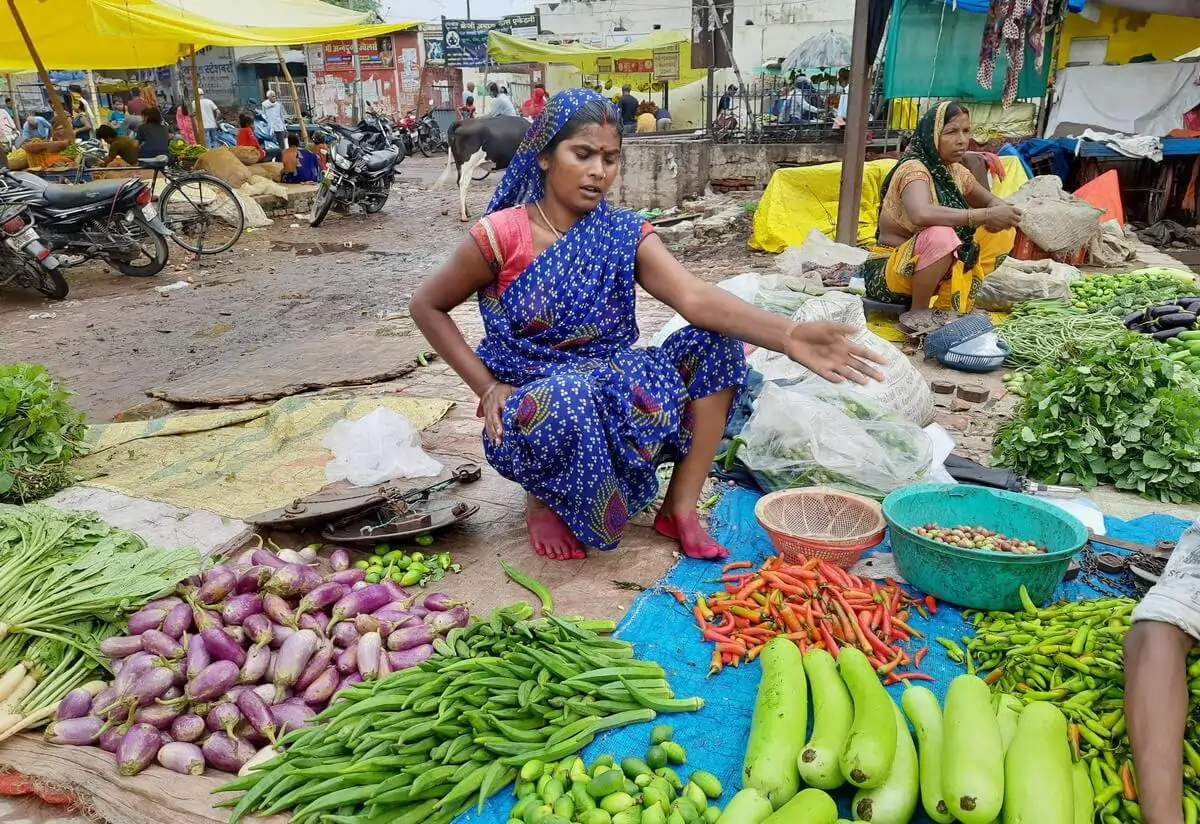
In 2025, the All India Disaster Mitigation Institute (AIDMI) strengthened people-centred disaster risk reduction across South Asia by connecting local experience with action and policy. AIDMI’s impact was visible through strengthening risk knowledge, enabling people-led action, translating learning into pilots, and influencing policy agendas from local to global levels.
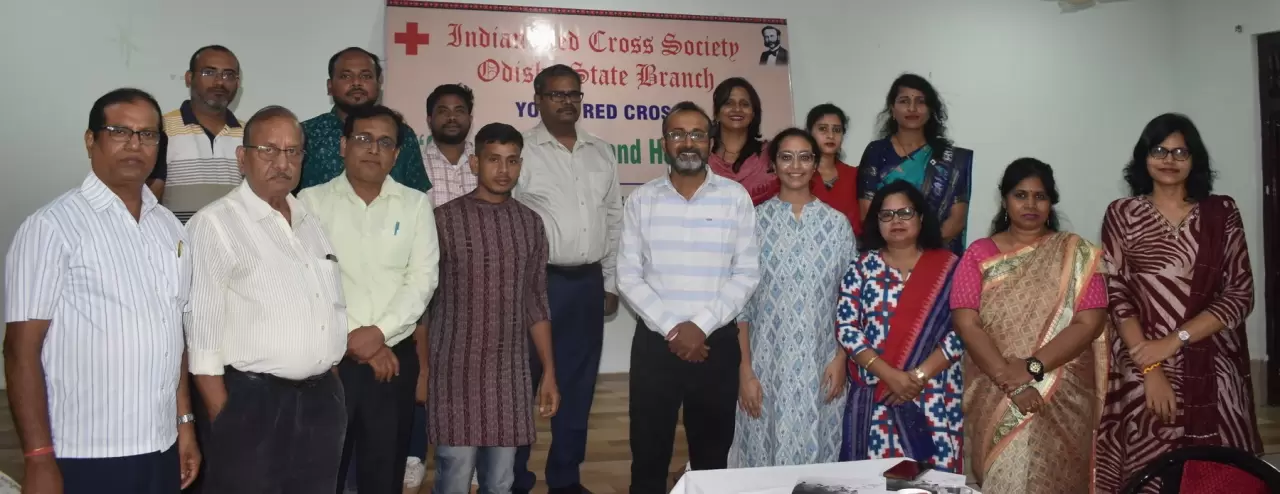
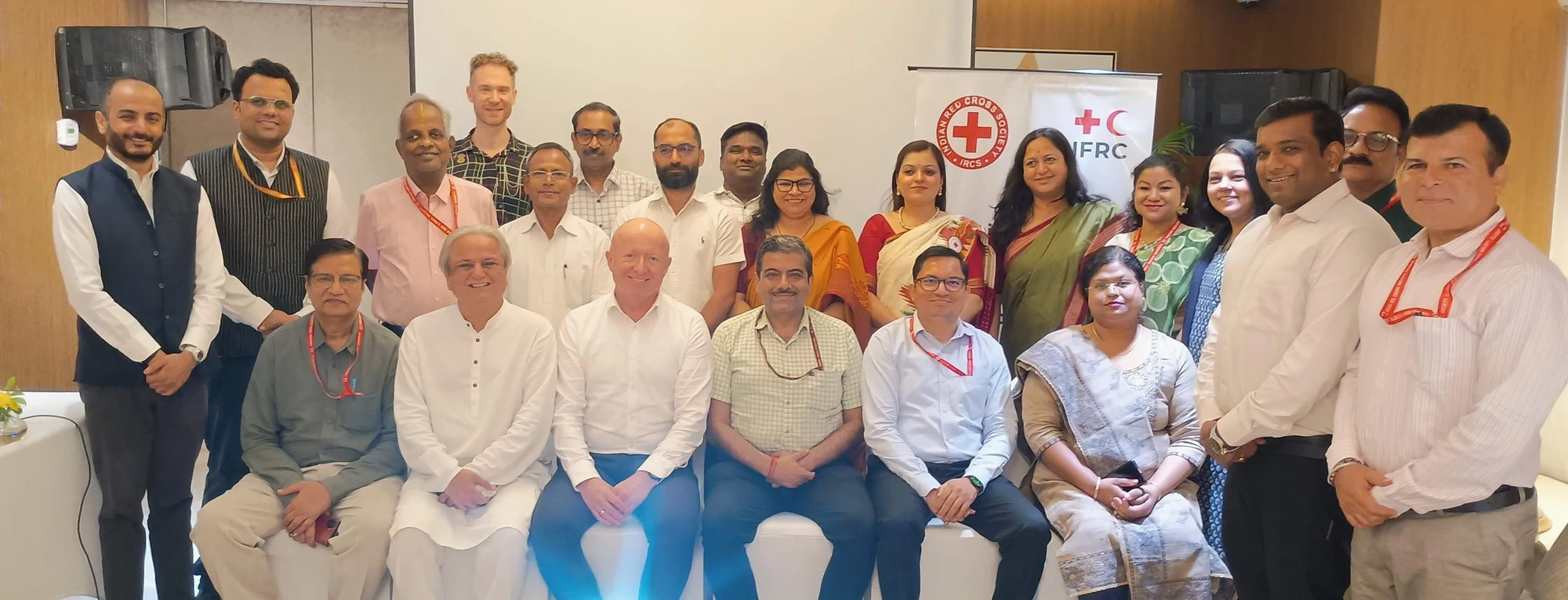
AIDMI facilitated inclusive risk knowledge exchanges reaching over 1,400 participants across 9 Indian states and 7 countries. Working with 15 partners and 40 experts, these engagements brought together practitioners, policymakers, and community representatives to share grounded experience and practical solutions, reinforcing South–South and cross-regional learning.
Knowledge co-creation remained central to AIDMI’s work. Ten issues of Southasiadisasters.net and 11 co-created knowledge products amplified local voices and practitioner insights, reaching more than 30,000 readers across the Asia–Pacific. Agenda-setting blogs ensured that lived experience informed wider debates on disaster risk reduction and climate resilience.
AIDMI worked closely with affected communities, consulting over 600 local leaders and strengthening local capacity through learning and training workshops. Recognising the importance of future leadership, AIDMI supported 800 future disaster risk reduction leaders across five states through trainings, internships, and capacity-development programmes.
Learning was translated into action through pilot initiatives addressing extreme heat, small towns, small farmers, and small businesses, alongside new nature-based cooling solutions. As a result, 15,000 families increased awareness of cooling practices, 2,000 small businesses were protected from extreme heat impacts, and anticipatory heat-response mechanisms were established in ten locations for civil society and government actors.
AIDMI advanced discussions on heat anticipation, loss and damage, and nature-based cooling across national and global platforms, including RHPW 2025.
Looking ahead to 2026, AIDMI will scale anticipatory heat action, expand nature-based cooling, and strengthen community-based livelihood protection, including Afat Vimo (micro-insurance) for small businesses and farmers.
In 2025, AIDMI demonstrated that when knowledge is grounded in lived experience and linked to action, it becomes a powerful driver of resilience—locally rooted and globally relevant.