

Search
Or hit enter to search
By Sujata Saunik, Former Chief Secretary, Government of Maharashtra, India
| “Disasters are not gender neutral. Women’s safety must be embedded in disaster governance—from preparedness to recovery.” |
Disasters affect entire communities, but their impacts are rarely gender neutral. Women and girls often face disproportionate risks during disasters, including heightened exposure to gender-based violence (GBV), loss of livelihoods, and increased caregiving burdens. As climate change intensifies disasters such as floods, cyclones, landslides, and extreme heat, integrating women’s safety into disaster governance has become an urgent priority.
Experience from Maharashtra demonstrates that gender-sensitive disaster risk management is both necessary and achievable when policies and institutional mechanisms recognise the specific needs of women and girls. Disasters frequently expose existing inequalities in access to safe housing, sanitation, mobility, and health services. During evacuation and displacement, women may find themselves in overcrowded shelters with inadequate lighting, privacy, and sanitation facilities—conditions that increase vulnerability to harassment and violence.
One critical framework guiding the protection of women in disaster situations is the Minimum Initial Service Package (MISP) for reproductive health in humanitarian settings. The MISP ensures that emergency responses include essential services such as maternal health care, prevention of sexual violence, and access to reproductive health services. Integrating these standards into disaster relief camps and emergency planning can significantly improve the safety and dignity of women during crises.
In Maharashtra, efforts have been made to strengthen gender-sensitive disaster preparedness and response through improved risk assessments, community engagement, and coordination between departments. Disaster management authorities increasingly recognise that protection cannot be addressed in isolation. Effective prevention of gender-based violence requires collaboration between disaster management institutions, women and child development departments, health services, and local administrations.
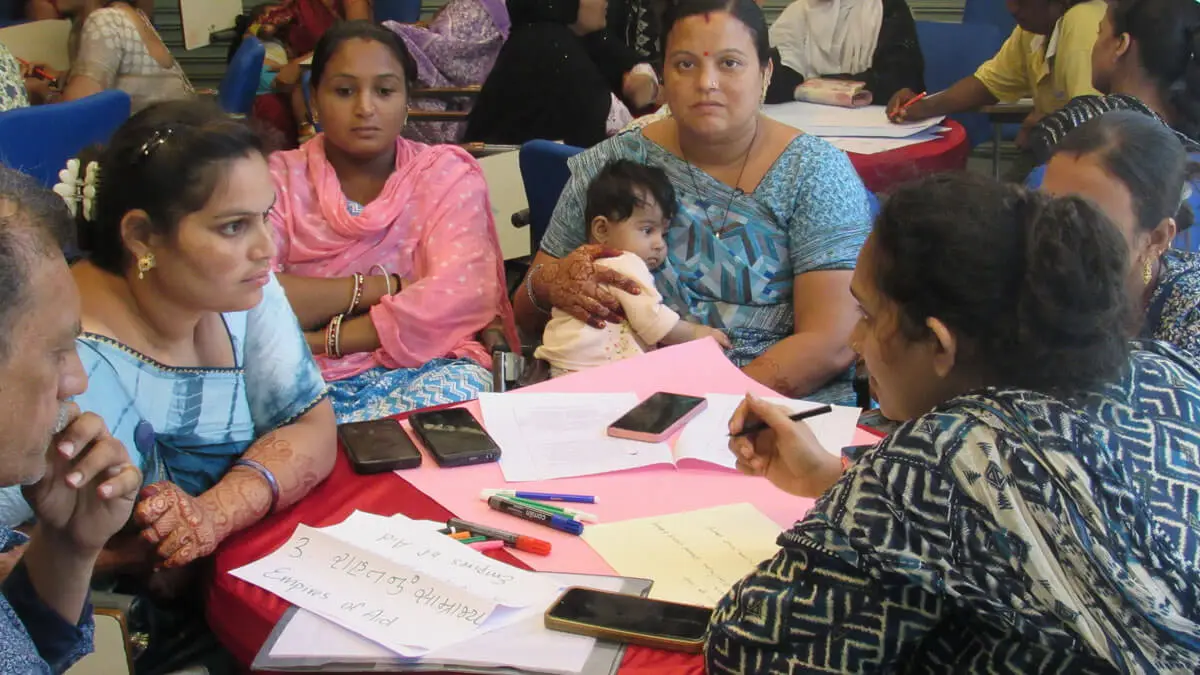
Community-based approaches also play an important role. Women’s self-help groups (SHGs), local NGOs, and community organisations often serve as trusted networks during emergencies. Their involvement in disaster preparedness, relief distribution, and shelter management can improve accountability and ensure that women’s concerns are heard. Encouraging women’s participation in local decision-making bodies, including village disaster management committees, can also strengthen community resilience.
Another key priority is ensuring that disaster shelters are designed with women’s safety in mind. Adequate lighting, separate sanitation facilities, privacy spaces, and secure arrangements for women and children are essential components of safe shelter management. Training local officials and relief camp managers on gender-sensitive practices can help ensure that these standards are consistently applied during emergencies.
At the same time, technology and early warning systems offer opportunities to enhance safety. Mobile alerts, digital platforms, and community communication networks can help disseminate warnings quickly and support coordinated evacuations. When designed inclusively, such systems can ensure that women receive timely information and can access support services.
Ending gender-based violence in disaster contexts by 2030 will require sustained commitment across all levels of governance. Policies must be supported by effective implementation, monitoring, and accountability mechanisms. Strengthening institutional coordination, investing in gender-sensitive infrastructure, and empowering women’s leadership are critical steps toward safer disaster response systems.
Building resilience in a climate-challenged world therefore requires more than infrastructure and emergency planning. It requires ensuring that disaster management systems protect the safety, dignity, and rights of women and girls, creating communities that are not only resilient but also just and inclusive.
Disclaimer: The views expressed in this piece are those of the author/s and do not necessarily reflect the views or policies of AIDMI.
