

Search
Or hit enter to search
By Amol Kale, AIDMI, India
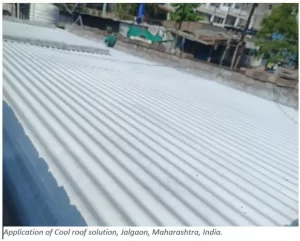
Heatwaves are no longer an occasional summer challenge—they are becoming an annual reality for cities across India. In Jalgaon, Maharashtra, where summer temperatures frequently exceed 45°C, extreme heat poses serious risks to health, livelihoods, and the quality of life, particularly for low-income families. To address these growing challenges, Jalgaon has initiated two complementary Nature-Based Solutions (NBS): Green Corridors and Cool Roofs.
The Green Corridor initiative envisions the development of a 4-kilometre urban green corridor using native tree species to reduce heat stress and improve environmental conditions. Although the project is in its initial phase, 0.3 kilometres of the corridor has been completed with the plantation of 51 native saplings. These trees have been carefully selected to provide shade, improve air quality, support biodiversity, and create cooler neighbourhoods over time. The initiative also encourages local residents to participate in watering and protecting the trees, fostering a sense of community ownership and ensuring their long-term survival.
Alongside urban greening, the project introduced Cool Roof Solutions in the four hamlets of Samtanagar Slums, where tin-sheet roofs often trap heat and make indoor living conditions extremely uncomfortable during summer. By applying reflective roof coatings, the intervention helps reduce heat absorption, making homes cooler and improving thermal comfort for vulnerable families without relying on expensive cooling systems.
Following a household survey across the settlement, the project successfully completed Cool Roof installations in 100 households. These homes are now better protected from extreme heat, offering residents a safer and more comfortable living environment during periods of high temperatures. The intervention demonstrates how simple, affordable technologies can make a meaningful difference in improving climate resilience at the household level.
The combination of Green Corridors and Cool Roofs illustrates the value of integrating ecological restoration with community-focused adaptation measures. While the Green Corridor contributes to lowering outdoor temperatures and improving the urban environment, Cool Roofs provide immediate relief inside homes where families spend much of their time.
Jalgaon’s experience shows that climate resilience is built through practical action, local participation, and sustained commitment. Every tree planted and every roof transformed represents an investment in healthier communities and a more climate-resilient future. As cities across South Asia continue to experience rising temperatures, initiatives like these offer scalable and affordable solutions that place people, nature, and resilience at the centre of urban development.
CASE STUDY
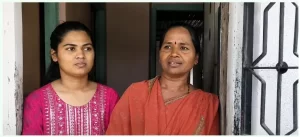
Intervention Recipient Study: Nirmala Dinesh Gaikwad
“During extreme periods, the sheet metal panels converted the rooms into an oven. Internal conditions became unlivable, matching structural challenges encountered during blackouts.”
The Challenge
The Solution
The Impact
निर्मला दिनेश गायकवाड“अत्यंत उष्णतेच्या काळात पत्र्याच्या छपरामुळे घर भट्टीसारखे तापत असे. विशेषतः वीज गेल्यानंतर घरात राहणे कठीण होत असे.” समस्या : जळगावमध्ये उन्हाळ्याच्या काळात निर्मला दिनेश गायकवाड यांच्या घरातील पत्र्याचे छप्पर खूप तापत होते. त्यामुळे दिवसा घरातील खोल्या आणि फरशी अतिशय गरम होत असे. पंखा सतत चालू ठेवूनही घरातील उकाडा कमी होत नव्हता. वीज गेल्यानंतर काही मिनिटांतच घरात राहणे कठीण होत असे. उपाय : “Nature-Based Solutions for Heat and Water Stress” या प्रकल्पांतर्गत घराच्या छपरावर सूर्यकिरण परावर्तित करणारे कूल रूफ कोटिंग लावण्यात आले. हा प्रकल्प Tata Trustsच्या सहकार्याने AIDMI, Practical Action आणि Krushi Vikas यांनी राबविला. या कोटिंगमुळे छप्पर कमी उष्णता शोषते आणि घरातील तापमान तुलनेने कमी राहण्यास मदत होते. परिणाम : कूल रूफ कोटिंग लावल्यानंतर काही दिवसांतच घरातील उष्णता कमी झाल्याचे जाणवले. फरशी अधिक थंड राहू लागली आणि पंखा व विजेवरील अवलंबित्व कमी झाले. वीज गेल्यानंतरही घर दोन तासांपेक्षा अधिक काळ आरामदायी राहिले. त्यामुळे अत्यंत उष्ण हवामानात घरातील राहणीमान अधिक सुरक्षित आणि सोयीचे झाले. |
