

Search
Or hit enter to search
By Mihir R. Bhatt, AIDMI, India
| “A heat warning becomes meaningful only when it enables the most exposed person to protect health, livelihood, and dignity in time.” |
Extreme heat is no longer only a seasonal weather concern. The experiences brought together in this issue show that heat affects health, livelihoods, household security, water access, working conditions and local economies. It also shows that the impacts are unequal. Women workers, informal workers, home-based producers, small businesses, older persons, persons with disabilities and low-income communities often face the highest exposure with the fewest options to protect themselves.
India has made important progress in forecasting heat and strengthening Heat Action Plans. State and local experiences, including those from Bihar, demonstrate how early warning can be linked with health preparedness, drinking water, cooling spaces, worker protection and community awareness. But the next step is more demanding: every warning must lead to timely, practical and locally relevant action.
This requires moving from Heat Action Plans to Heat Action Planning for All.
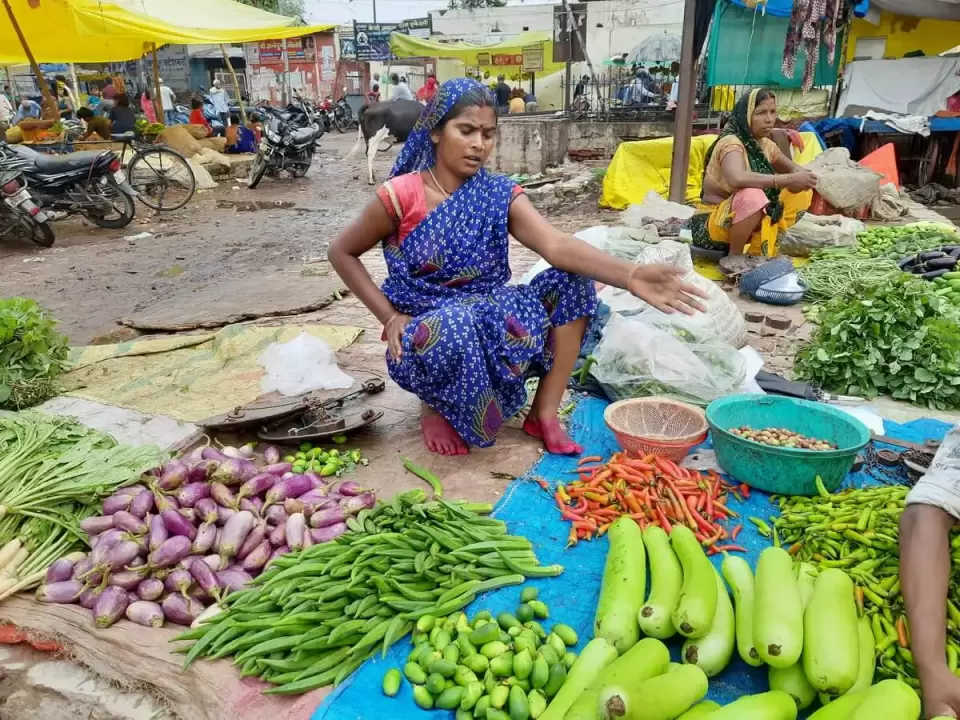
The articles in this issue offer several directions for this shift. First, heat warnings must reach the last mile in formats that people can understand and use. Information is useful only when women workers, street vendors, farmers, delivery workers, home-based producers and vulnerable households know what action to take and have the means to act.
Second, local communities must be treated as partners, not only as recipients of warnings. The experiences from Dehradun and Nepal show the value of women teachers, community groups and local institutions in translating climate information into everyday action. Storytelling, community learning, local leadership and intergenerational knowledge can make heat preparedness more sustained and locally owned.
Third, heat action must address both health and livelihoods. Advising workers to avoid peak heat hours is important, but it can also reduce income. Heat planning therefore needs to include shaded workspaces, cooling and rest facilities, safer housing, water access, flexible work arrangements, social protection and financial support. The experience of women artisans and small businesses in coastal Odisha reinforces the need to understand how heat affects working hours, productivity, illness and household responsibilities together.
Fourth, cities and towns need more practical cooling solutions. Jalgaon’s experience with cool roofs and green corridors shows how relatively simple measures can reduce indoor heat exposure and improve neighbourhood environments. Such measures should be linked with urban planning, housing improvement and community participation rather than treated as isolated pilots.
Fifth, local innovation must be connected with wider learning. Regional cooperation can help communities and institutions learn from one another, especially on gender-responsive planning, early warning, risk communication and locally led adaptation. What works in one location may not be copied directly elsewhere, but the principles can travel: participation, inclusion, accessibility, local ownership and timely action.
The way ahead is therefore not only to improve forecasts, but to build systems that enable people to act before heat becomes a crisis. Heat resilience will be stronger when science, government systems, local organisations and communities work together.
The future of heat action should be judged by a simple question: Did the warning help the most exposed person protect health, livelihood and dignity in time?
If the answer is yes, early warning has become early action. If this happens for everyone, Heat Action Planning for All becomes possible.
Read the full publication: Southasiadisasters.net, Issue No. 234, “Local Innovation to Global Action for Heat, Health, and Livelihoods: Resilience Starts at Home”: https://aidmi.org/local-innovation-to-global-action-for-heat-health-and-livelihoods-resilience-starts-at-home/
