

Search
Or hit enter to search
By Prof. Ishrat Shamim, President, Centre for Women and Children Studies, Dhaka, Bangladesh
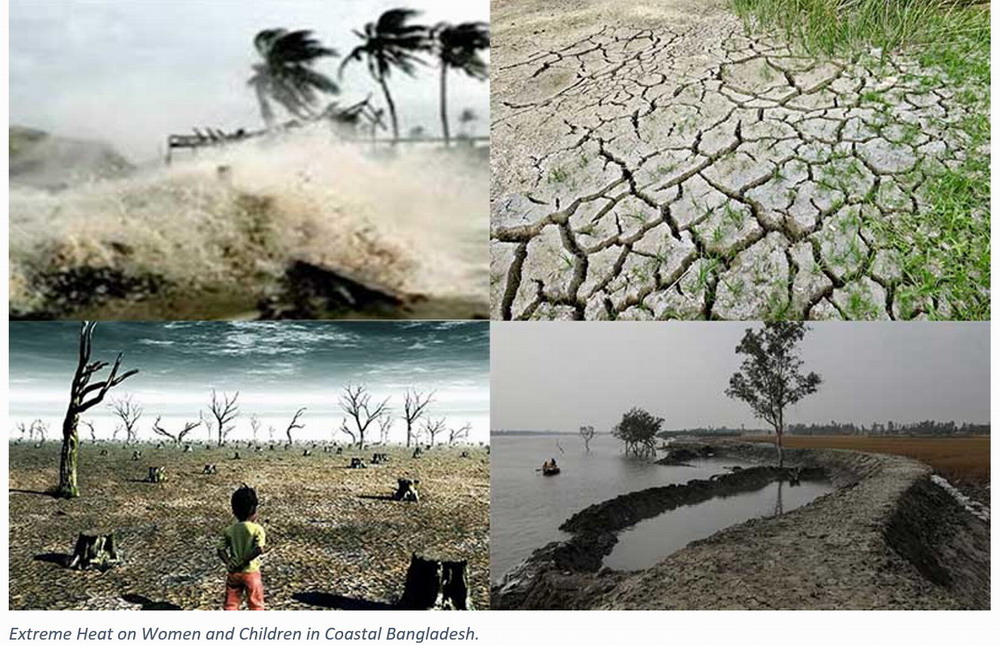
The impact of extreme heat on women and children in coastal Bangladesh is a growing concern amid escalating climate change. Coastal districts such as Khulna, Satkhira, and Bagerhat are especially vulnerable due to their low elevation, high humidity, saline intrusion, poor infrastructure, and entrenched gender inequalities (Huq & Ayers, 2008; World Bank, 2021). Poor and vulnerable women and children living in these coastal areas experience heightened exposure to health risks during heatwaves. Pregnant and lactating women are particularly vulnerable to heat stress, dehydration, and complications like preterm labour or miscarriage, especially in areas lacking maternal healthcare facilities (Rahman et al., 2021). Children, especially infants and toddlers, suffer disproportionately from dehydration, heat rashes, and even heatstroke due to their developing physiology and limited access to cooling mechanisms such as shaded rest areas or fans (UNICEF, 2019). Malnutrition can also increase during extreme heat due to reduced food intake and increased illness (Islam et al., 2020). There is increased mental stress on women who have the sole caregiving responsibilities, domestic tasks, and water collection in extreme conditions, often with little rest or relief (ActionAid, 2020). Social norms further compound gendered vulnerabilities. Women are often discouraged from wearing weather-appropriate clothing or resting in public spaces, and they typically lack decision-making regarding health or financial resources (Nazneen et al., 2011).
During heatwaves, water scarcity worsens as traditional water sources dry up or become saline, forcing women and girls to walk longer distances to fetch potable water, often during the hottest parts of the day (Shameem et al., 2015). For girls, it not only increases physical exhaustion but also reduces time for education and for women to be less involved in income-generating activities. The lack of clean water significantly impacts menstrual hygiene management, increasing the risk of infections for adolescent girls and women (WaterAid, 2020). Moreover, many homes in coastal Bangladesh are poorly constructed with tin roofs and lack ventilation or electricity, turning them into heat traps during peak temperatures (CARE Bangladesh, 2019). Infants, the elderly, and sick family members face greater risks in these living conditions. Schools are similarly ill-equipped; with tin roofing and no fans, classrooms often become unbearable for students, leading to an increase in absenteeism, especially among girls (Plan International, 2021).
Despite these challenges, local communities have adopted informal coping strategies such as adjusting work hours or using homemade cooling methods like wet clothes or shaded rest areas. However, these measures are insufficient against the growing intensity and frequency of extreme heat. Current government and NGO interventions often fail to incorporate a gender lens, leaving women and children out of planning and decision-making processes. There is an urgent need for inclusive climate adaptation strategies, including heat-resilient housing, accessible healthcare, water infrastructure, early warning systems, and community-based awareness campaigns specifically targeting the needs of women and children (UNDP, 2022; Global Gender and Climate Alliance, 2021). Without targeted and gender-sensitive intervention, extreme heat will continue to deepen existing inequalities and health disparities in coastal Bangladesh.
References:
Disclaimer: The views expressed in this piece are those of the author/s and do not necessarily reflect the views or policies of AIDMI.
