

Search
Or hit enter to search
By Mihir R. Bhatt, All India Disaster Mitigation Institute (AIDMI), India
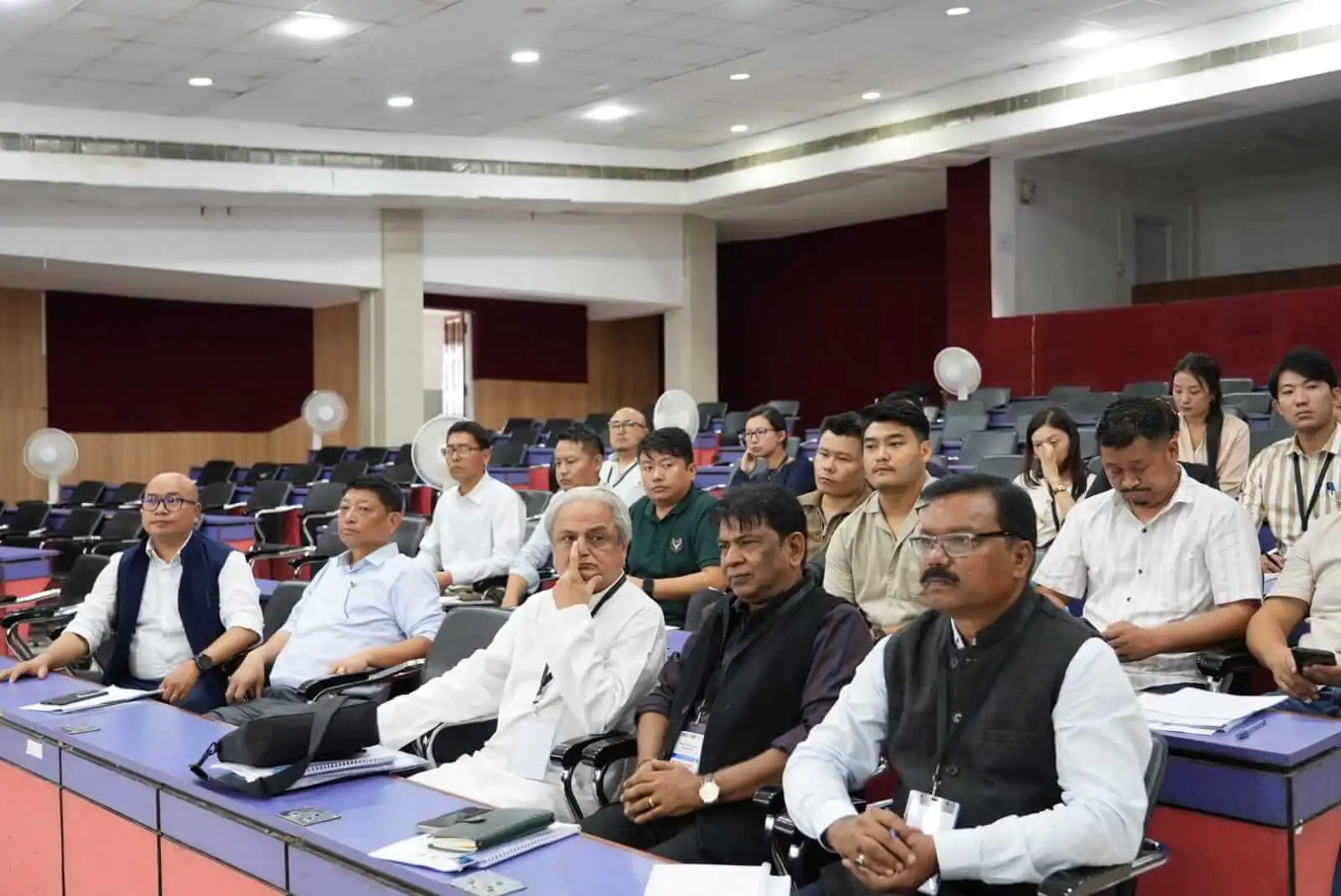
From July 28–31, 2025, Kohima, Nagaland hosted a Joint Training on Urban and Local Resilience, convened by the Nagaland State Disaster Management Authority (NSDMA) with support from partners. The training brought together municipal leaders, state agencies, community representatives, academics, and private sector experts. Its aim was to help Indian cities and towns move from reactive crisis response to risk-informed, climate-smart resilience building.
Tools for Action
At the core of the training was the UNDRR Disaster Resilience Scorecard for Cities and its Climate Resilience Addendum. These tools break resilience into ten measurable “Essentials,” spanning governance, finance, infrastructure, health, ecosystems, and recovery. Cities can use them to assess disaster readiness, integrate climate projections into zoning, plan across departments, track progress, and design projects that attract finance.
As one NSDMA official remarked, “The Scorecard makes resilience real. It turns abstract concepts into practical steps that cities like Kohima can actually implement.”
Indian Experiences
The All India Disaster Mitigation Institute (AIDMI) shared lessons from applying the Scorecard in five cities:
“These examples show that resilience is not a one-size-fits-all exercise,” noted an AIDMI facilitator. “Each city has its own risks and opportunities, but the Scorecard gives them a common language and pathway.”
Building Consensus and Next Steps
Participants worked in groups to prioritise and sequence actions through risk scoring, cost–benefit analysis, vulnerability mapping, and community co-design. They also explored how to assign responsibilities, set indicators, and link actions with funding streams.
One participant from Kohima Municipal Council shared: “This process helps us see beyond today’s emergencies. It gives us a roadmap to prepare for tomorrow’s risks.”
Closing discussions emphasised five priorities for India’s urban future: mainstreaming risk into plans, strengthening governance, mandating resilience in investments, engaging women and youth, and using digital/AI tools.
Kohima’s Contribution
By hosting this training, Kohima highlighted the importance of Northeast Indian cities in shaping national resilience. The event reinforced that urban resilience is both technical and social: it demands inclusive participation, evidence-based planning, and strong ownership.
As one community representative summarised: “Resilience is not only about infrastructure; it is about people, trust, and working together.”
The lessons from Kohima now offer a roadmap for Indian cities to turn plans into practice and move steadily toward safer, adaptive, and climate-smart futures.
Photo: Joint Training on Urban and Local Resilience held from July 28-31, 2025, in Kohima, Nagaland, India.
