

Search
Or hit enter to search
By Mihir R. Bhatt, All India Disaster Mitigation Institute (AIDMI), India
| “The real test of heat-resilient infrastructure is not how strong it looks on paper, but whether it keeps the most exposed people safe, healthy, and able to continue their lives with cool dignity.” |
Why does any new infrastructure cut across land and water and clear air?”, asked a member of a group of low-income citizens who had joined to discuss with us the future of resilience of Bhuj city after the earthquake in 2001.
The idea remained in our minds, since and after years, we received the book by Mittul Vahanvati titled “Resilient Recovery from Disasters: The Long-Term Outcomes of Post-Disaster Housing Reconstruction in India, Thailand and Japan”, and again we started thinking about the above question by the Bhuj citizen before and during in the roundtable on “Lessons from Earthquake and Flood-Related Long-Term Recovery to Extreme Heat Action Planning”.
Extreme heat is here as only now we all are realising. It is shaping how people live, work, travel, study, sleep, and recover in cities and around. This issue of Southasiadisasters.net shows that heat-resilient infrastructure is not only about stronger buildings, roads, railways, power systems, schools, hospitals, transport systems, or cooling centres. It is about keeping essential services functional when people need them most. It is about protecting health, livelihoods, dignity, and everyday continuity.
The way ahead must start with those who face heat first and longest. Women workers, home-based workers, outdoor workers, children, older persons, persons with disabilities, small businesses, low-income households, and residents of informal settlements must shape heat action planning. Their lived experience should inform infrastructure design, public investment, and local preparedness. A shaded bus stop, a cooler classroom, a ventilated home, a safe workplace, a reliable water point, and a functioning health centre are not small improvements. During extreme heat, they are life-saving infrastructure.
India must now move from seasonal heat response to year-round heat risk reduction. We at AIDMI call it “All Season Infrastructure” and “All Weather Infrastructure” in our urban work. Heat Action Plans should guide decisions before summer begins. They must inform building standards, housing retrofits, school safety, hospital preparedness, transport operations, labour protection, water access, power reliability, and local government budgets. Lessons learnt from long-term recovery from earthquakes and floods show that risk reduction needs to be embedded in planning, construction, maintenance, skills, finance and governance.
Infrastructure planning must combine climate evidence with local knowledge and listening to nature in its many voices. Heat-risk maps, satellite data, ward-level vulnerability analysis, early warning systems, and digital tools can identify where heat concentrates. But data alone is not enough. Local women’s groups, workers, health staff, school teachers, transport workers, small business owners, and community organisations know where heat creates the greatest hardship. Their knowledge must be part of planning and monitoring.
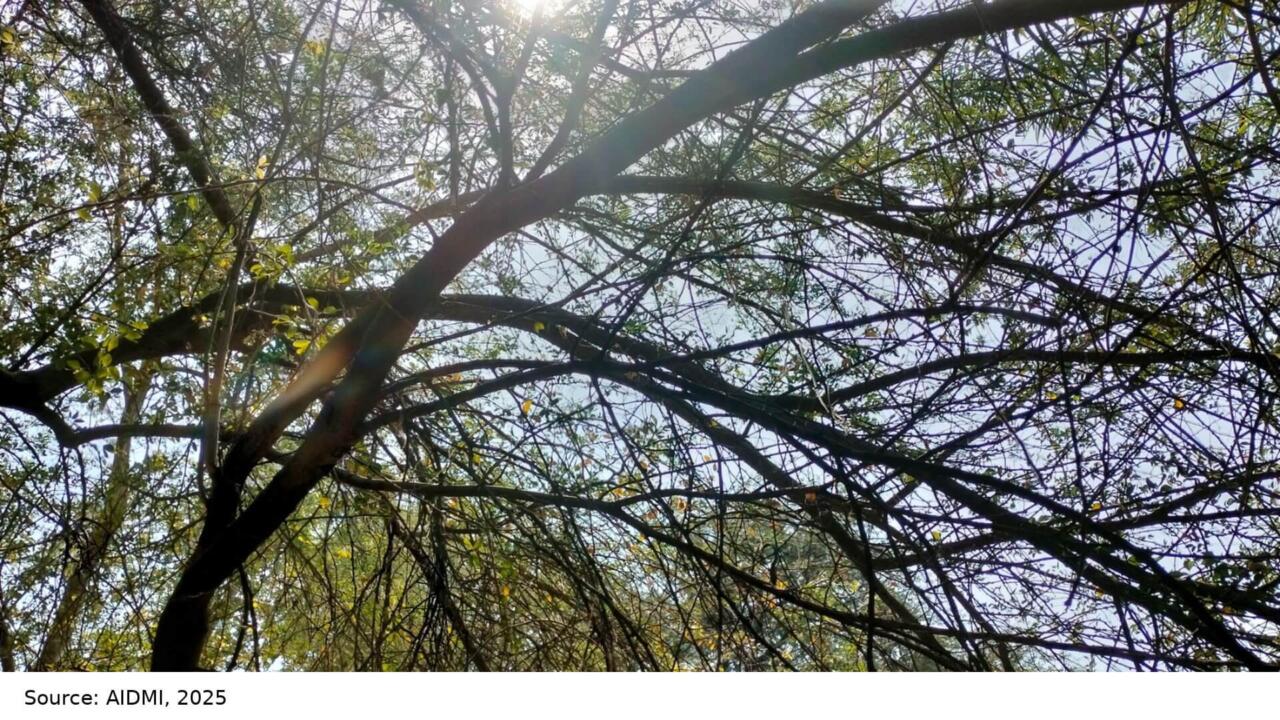
Nature must be treated as infrastructure for us and for itself. Both. Old trees, green corridors, water bodies, shaded streets, parks, and blue-green networks are cooling systems. They are also public health assets and social protection measures. Protecting existing trees is often more valuable than planting saplings after damage is done. Urban development should retain, restore, and expand natural cooling.
Heat resilience also needs finance that reaches local action. Many practical measures remain underfunded, although they can reduce exposure quickly. Governments, donors, CSR programmes, and development partners should support cool roofs, ponds to pool water, shaded public spaces, drinking water points, green cover, heat-safe schools, worker rest areas, trees to clean air, backup power for essential services, and community preparedness systems.
The next step is clear. Heat-resilient infrastructure needs to be inclusive, affordable, locally maintained and accountable to those impacted, both humans and nature. The extreme heat will test our cities, our services and our institutions. Our response must be practical, evidence-based, dignity-based and nature-based. The real test of success will be whether the most vulnerable are safer, healthier and better equipped to carry on their lives and livelihoods in a hotter but greener future, not how many plans are produced to build infrastructure that is people and planet centred.
Infrastructure itself should not lead to more heat but cool the area and nature around it. At the same time, we need to find thousands of new infrastructure structures that lead us to making our lives and cities and planet green and cool.
