

Search
Or hit enter to search
By Ramraj Narasimhan, Senior Director, Programme Management and Technical Support, Coalition for Disaster Resilient Infrastructure (CDRI), India
Extreme heat is no longer just a health issue. It’s also putting a strain on the infrastructure that people use every day. Systems designed for past climate conditions are being pushed to the limit as heatwaves become more frequent, more intense and longer lasting. Buildings, roads, railways, power networks, water supply systems, schools, hospitals, public transport, and cooling centres are all increasingly exposed to heat-related risks.
The economic costs are also substantial. The global average annual losses from heatwaves are USD 23.9 billion, with the buildings sector accounting for USD 11.8 billion and the power sector for losses estimated at USD 5.8-8.7 billion. Roads and railways together face losses of around USD 4-6 billion. These figures demonstrate that extreme heat needs to be addressed not only as a seasonal hazard, but also as a core issue in infrastructure planning, public investment and climate resilience.
Buildings are among the most affected systems. High indoor temperatures reduce comfort, health, productivity, and learning. Schools are especially vulnerable because children’s learning ability declines when classrooms become too hot. Hospitals and health centres face rising cooling demand even as power systems are under stress. In dense urban areas, buildings also contribute to the urban heat island effect, worsening local heat exposure.
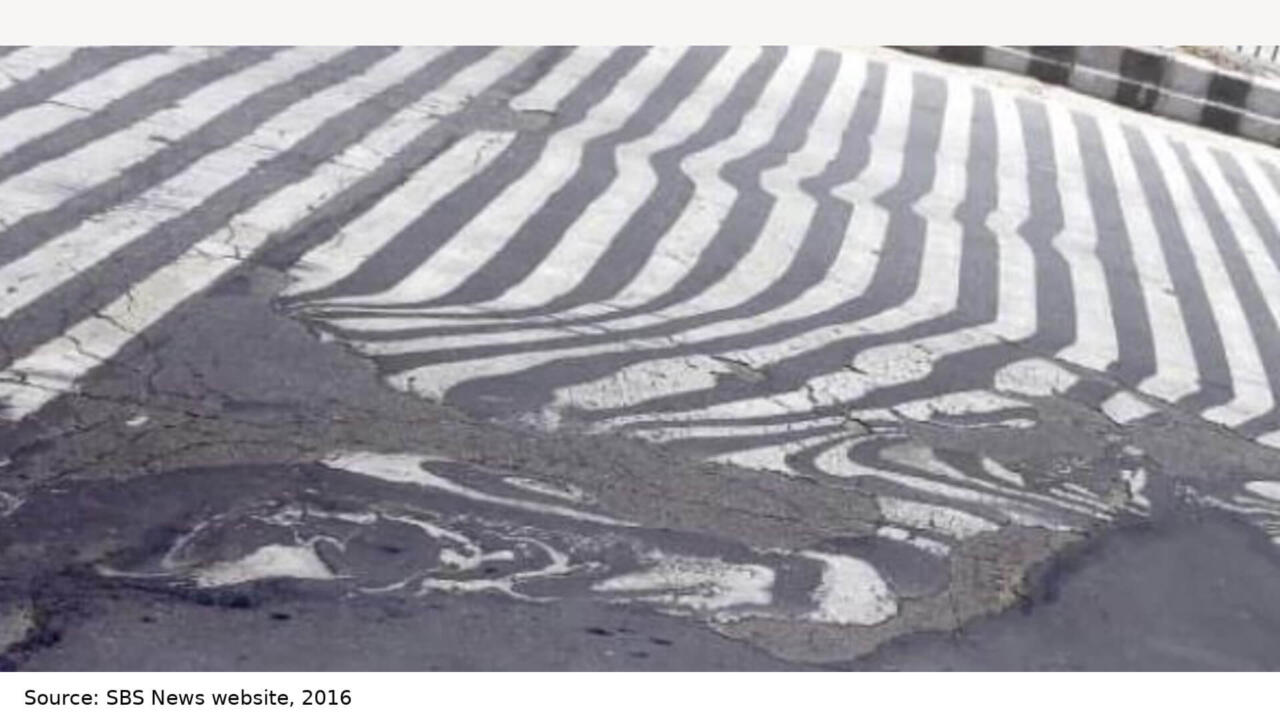
Transport infrastructure is also at risk. Extreme heat can soften, rut or melt roads. Extreme heat can crack or warp concrete surfaces. Extreme heat can warp railway tracks, creating safety hazards and service disruptions. Heat also puts stress on bridges, airports, runways and transportation hubs. Impacts extend beyond infrastructure assets to workers, commuters, patients, students, and small businesses that rely on reliable mobility.
Power is a critical link in heat resilience. Heatwaves spike cooling demand that can stretch grids beyond their design limits. Transformers overheat, transmission lines sag, distribution networks fail and blackouts or brownouts happen. When power goes out, cooling centres, schools, hospitals, homes and public transport systems are also at risk.
We need a holistic approach to address these risks. Infrastructure providers, utilities, urban local bodies, transport agencies, schools, health departments and communities should be involved in the Heat Action Plans. Cities need heat-risk mapping, early warning for utility providers, heat-aware load forecasting, backup power for cooling centres and priority restoration for vulnerable areas.
Extreme heat resilience is ultimately about keeping essential services running when people need them most. Infrastructure needs to be planned, designed, operated and maintained for a hotter future. Protecting critical infrastructure from extreme heat and enabling continued infrastructure services is central to protecting people, livelihoods, and local economies.
Disclaimer: The views expressed in this piece are those of the author/s and do not necessarily reflect the views or policies of AIDMI.
