

Search
Or hit enter to search
By Rohan Trivedi, AIDMI, India
| “અતિશય ગરમીમાં રિક્ષા ચલાવવું માત્ર શરીર માટે જ મુશ્કેલ નથી. ક્યારેક મન પણ થાકી જાય છે. ચીડિયાપણું આવે છે, ચિંતા થાય છે, છતાં રોજની આવક માટે રસ્તા પર રહેવું જ પડે છે.”
“Driving a rickshaw in extreme heat is not only hard on the body. Sometimes the mind also feels tired. We feel irritated and worried, but for daily income, we still have to stay on the road.” — Mukeshbhai Rana, Rickshaw-driver, Maninagar, Ahmedabad, Gujarat, India. |
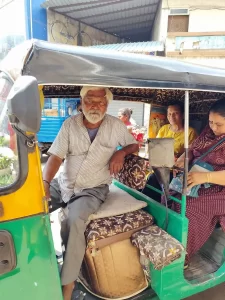
At a busy Ahmedabad bus terminal, the heat is not invisible. It sits on the steering wheel, rises from the road, enters the bus cabin, and follows the driver through every signal. At an auto-rickshaw stand in Maninagar, a driver wipes his face, checks the road for passengers, and waits. The city is moving, but the heat is moving with it.
Extreme heat does not only raise body temperature. It also raises irritability, anxiety, sleep disruption, and psychological strain among mobility workers who spend long hours on the road. For them, heat is not only a public health issue. It is an occupational safety issue.
AIDMI’s findings show this clearly. Among 716 bus drivers surveyed, 458, or 64%, reported that extreme heat has a mental effect on them. Among 103 auto-rickshaw drivers, 64, or 62%, reported a similar burden while driving, including irritability, anxiety, or disturbed sleep. Mukeshbhai Rana, a rickshaw driver from Maninagar, explains it simply: “Driving a rickshaw in this heat is not only hard on the body. Sometimes the mind also feels tired. We feel irritated and worried, but for daily income, we still have to stay on the road.”
The auto-rickshaw data gives the picture in sharper detail. Forty-five drivers reported increased irritability or anger while driving. Another 45 reported heat-disrupted sleep, and 39 reported anxiety about meeting daily income targets. Only 38% said heat has no major mental impact. One can imagine the strain: a driver feels dizzy, the cabin is hot, passengers are fewer, fuel and repair costs are rising, and the day’s income is still uncertain.
From a disaster risk reduction perspective, the strongest finding is the dose-response pattern between physical symptoms and mental impact. Among auto-rickshaw drivers, mental-impact reporting rises from 0% among those with zero or one physical symptom, to 47% among those with two symptoms, and to 78% among those with three or more symptoms. The bus driver pattern is similar, rising from 43% to 67%, 78%, and then 100% as symptoms accumulate. As the body struggles, the mind also carries the load.
Longer exposure makes the burden heavier. Among auto-rickshaw drivers working more than eight hours a day in extreme heat, 67% reported a mental impact, compared with 36–40% among those working fewer hours. This matters for concentration, road safety, passenger safety, and daily functioning.
Financial strain adds another layer. Drivers facing serious difficulty paying EMI or rent reported mental impact at 100%. Those with moderate difficulty reported it at 50%, while those without payment strain reported no mental impact. Drivers with rising maintenance costs also reported higher mental impact, 65%, compared with 53% among those without rising costs.
Ahmedabad’s heat action must therefore see the worker behind the wheel. Drinking water, ORS, shade, rest, warnings, welfare support, and safer working conditions are not extras. They are risk reduction measures for a city that must keep moving, even in rising heat during every harsh summer afternoon in Ahmedabad.
References:
Heat and Mental Health: Key Findings
|
