Search
Or hit enter to search
By AIDMI Team
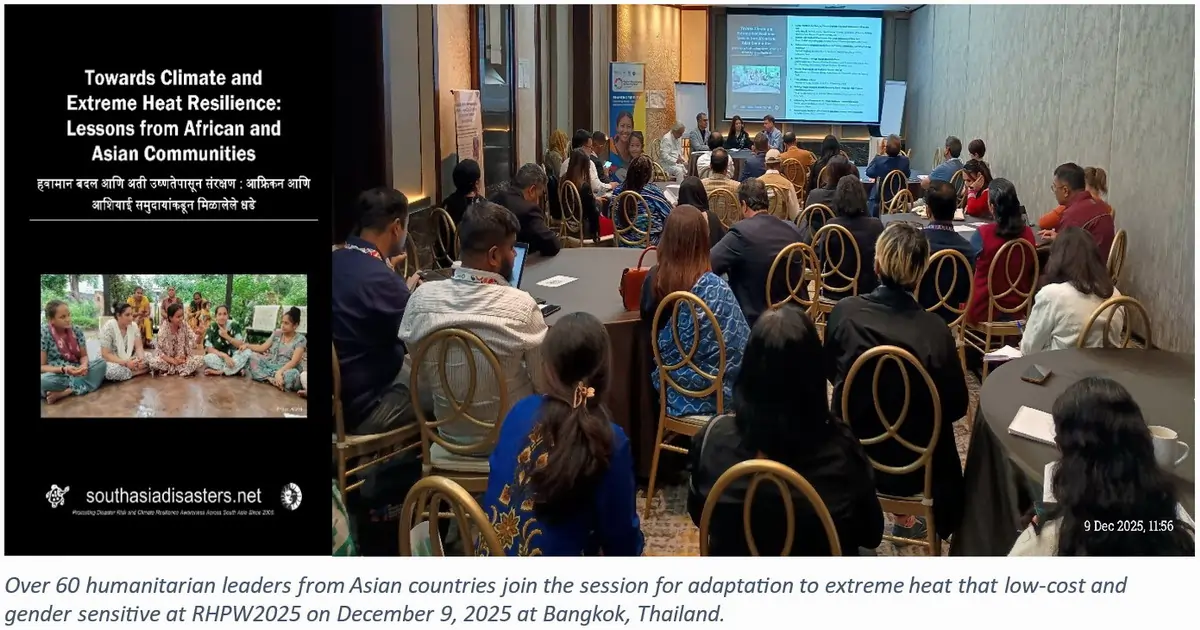
Extreme heat is already shaping daily life for millions of workers across South Asia. In cities and small towns alike, rising temperatures are making it harder for people to work safely, sustain their incomes, and protect their health. Street vendors, migrants, transport workers, artisans, and small shop owners often spend long hours in the sun or in poorly ventilated workplaces. For many of them, conventional cooling options such as air-conditioning are neither affordable nor practical. Recognising this rapidly growing challenge, the All-India Disaster Mitigation Institute (AIDMI) has been facilitating practical cooling approaches that combine climate research, local knowledge, and environmental solutions with local authorities. And this is done in like with UNDRR guidelines and National Disaster Management Authority directions.
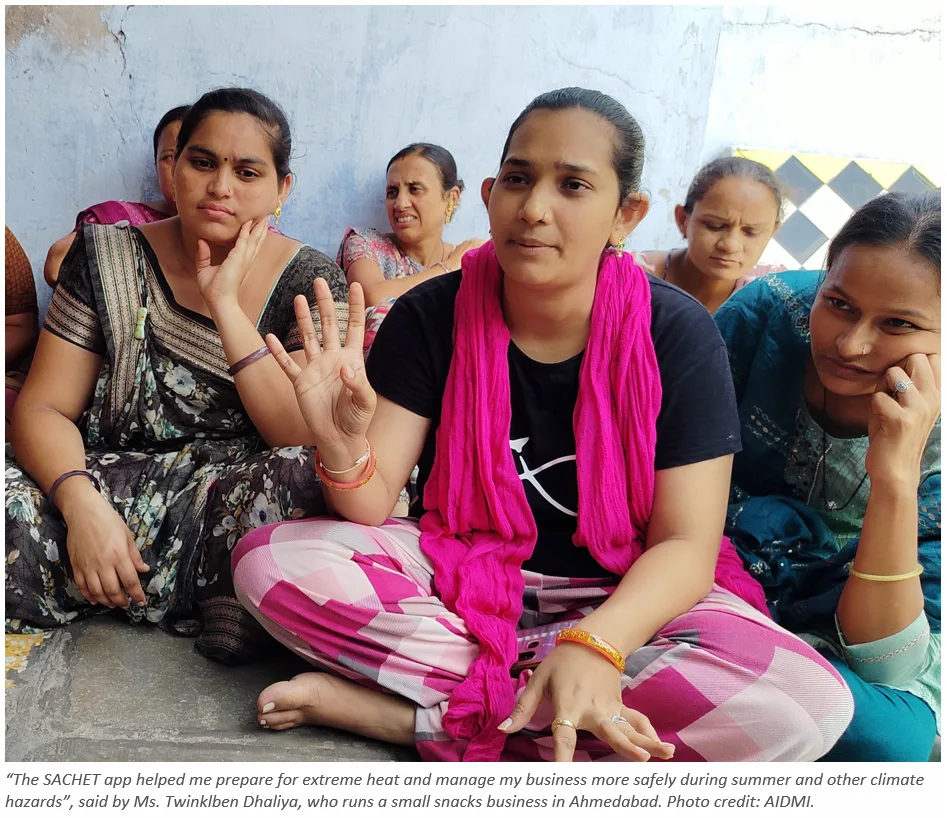
AIDMI’s work on extreme heat begins with listening to the experiences of those most affected. Through field studies, community consultations, and action research in cities and small towns, the institute examines how extreme heat affects livelihoods, productivity, and well-being. Workers frequently report shorter working hours, fatigue, dehydration, and reduced earnings during heatwaves. These insights help build a clearer understanding of how climate change is reshaping everyday economic activity in vulnerable communities.
Another key effort involves linking early warning systems with early action. Weather forecasts often reach the public, but workers do not always know how to respond to them. AIDMI therefore works to translate temperature warnings into practical guidance—such as adjusting work schedules, identifying nearby cooling spaces, and ensuring access to drinking water. The AIDMI is exploring voice-based communication tools so that alerts can reach workers quickly and in local languages, when they want.
One important area of AIDMI’s work focuses on greening and nature-based cooling solutions. Rather than relying solely on energy-intensive technologies, the AIDMI promotes small but meaningful measures that communities can adopt themselves. These include shaded workspaces, tree planting near markets and transport hubs, reflective roofs on small shops, and better ventilation in work areas. While simple, such measures can reduce heat exposure and make working conditions safer and more comfortable, rapidly and at low cost in states such Maharashtra and Madhya Pradesh.
Alongside these efforts, AIDMI is exploring innovative approaches to climate risk financing, including the potential for temperature-based insurance products that could help protect small businesses and workers from income losses during extreme heat events. Innovations comes from communities and their work. Women combine cooling solutions with care.
Together, these initiatives show that responding to extreme heat requires more than emergency measures. It requires thoughtful action research, practical local innovation, and bottom-up solutions that respect both people and the environment. By bringing these elements together, AIDMI is working with communities to find workable ways to live and prosper more safely in an increasingly hotter world.