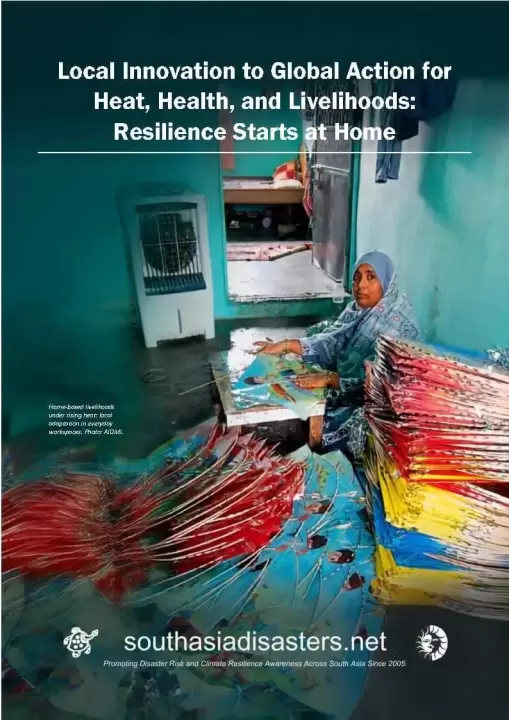
Local Innovation to Global Action for Heat, Health, and Livelihoods: Resilience Starts at Home: IDDRR 2026 Virtual Roundtable, October 12, 2026
Virtual Roundtable | Held on October 12, 2026 | 4:00 PM IST
The All India Disaster Mitigation Institute (AIDMI) convened this virtual roundtable to explore how locally led solutions can strengthen protection against extreme heat and inform wider action on health, livelihoods, and disaster risk reduction. The discussion brought together 95 participants from 21 countries and territories.
The roundtable report, Calls for Action, speaker presentations, and recording are available below.
📅 Date: Monday, October 12, 2026
🕓 Time: 04:00 PM to 05:30 PM IST (+05:30 UTC)
📘 Organiser: All India Disaster Mitigation Institute (AIDMI), India
💬 About the Roundtable
On the occasion of the International Day for Disaster Risk Reduction (IDDRR) 2026, the All India Disaster Mitigation Institute (AIDMI) organised a virtual roundtable titled “Local Innovation to Global Action for Heat, Health, and Livelihoods: Resilience Starts at Home” on October 12, 2026.
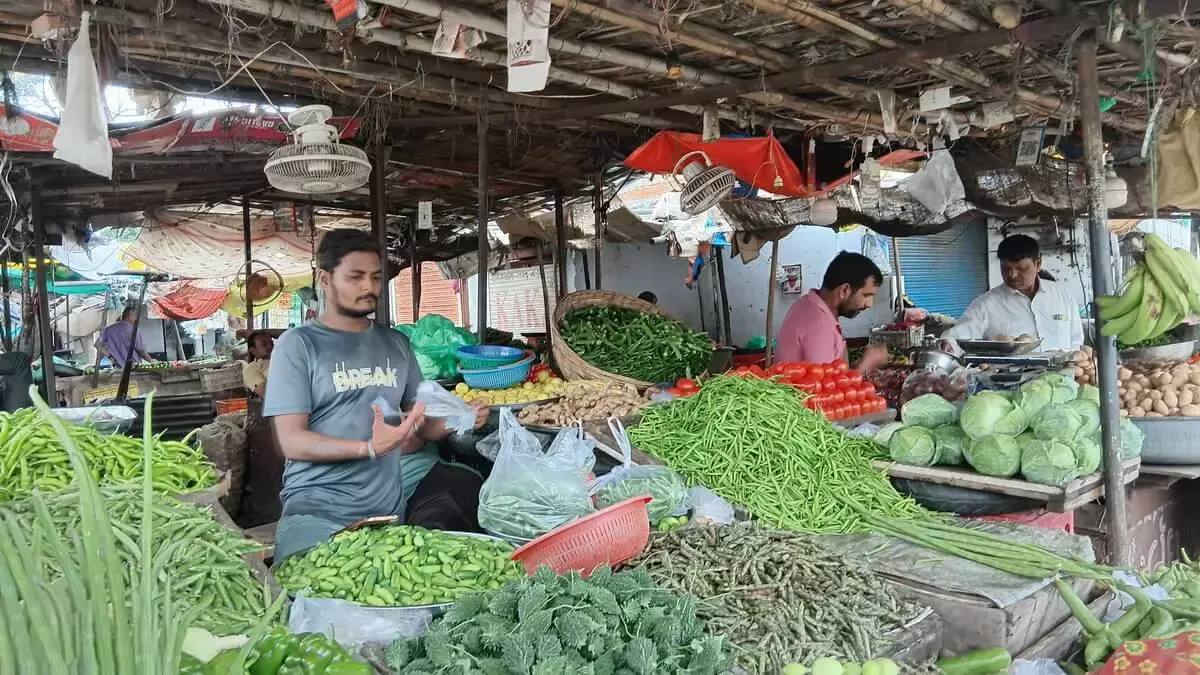
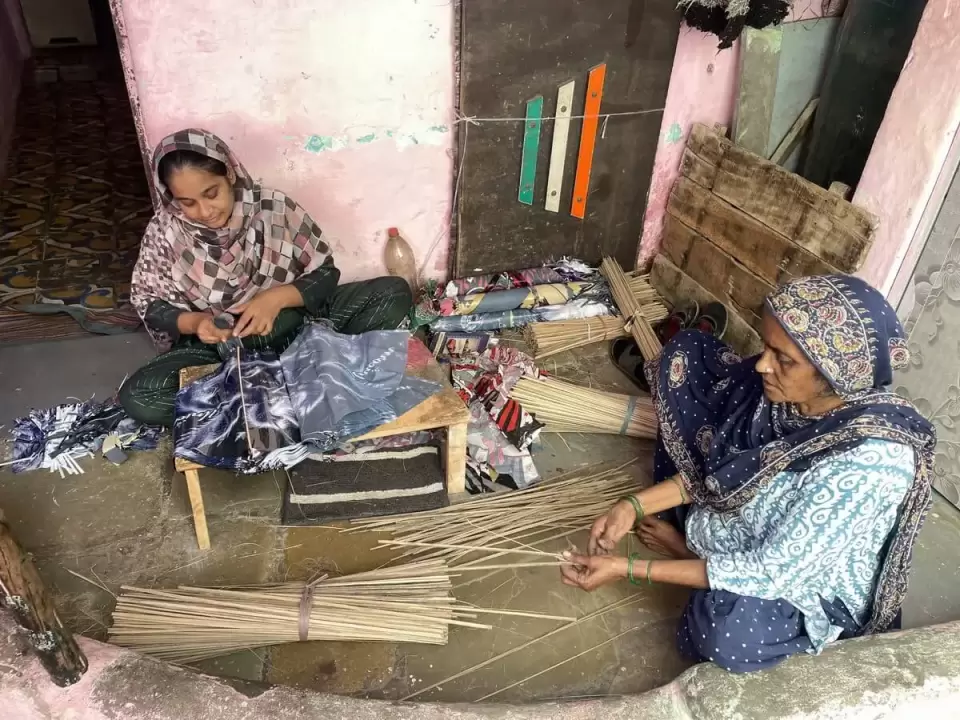
The roundtable explored how disaster and climate resilience could be strengthened where people lived and worked. Discussions focused on extreme heat, home-based livelihoods, women workers, early warning, safer homes, local preparedness, cooling, community leadership, and livelihood protection.
Aligned with the IDDRR 2026 theme, “Resilience Starts at Home”, the roundtable examined how households could become active agents of resilience through improved risk awareness, timely responses to early warnings, safer living conditions, and participation in local planning.
📘 Launch of southasiadisasters.net
The roundtable also marked the launch of a special issue of southasiadisasters.net titled “Local Innovation to Global Action for Heat, Health, and Livelihoods: Resilience Starts at Home”.
The issue brought together practical experiences and perspectives on women and heat, early warning, household resilience, climate education, urban cooling, women-led action, regional cooperation, and livelihood-sensitive heat planning.
🎯 Key Objectives
Connect household resilience with wider disaster risk reduction through safer homes, health protection, livelihood security, preparedness, and locally led action.
Highlight practical local solutions for extreme heat, including early warning, cooling, safer workspaces, women-led action, and community-based adaptation.
Strengthen the connection between local experiences and wider policy and practice, particularly in Heat Action Plans, urban planning, public health systems, and disaster risk reduction.
💬 Key Discussion Areas
Resilience Starts at Home: The discussion examined how households and communities can strengthen preparedness and resilience through access to cooling, safe drinking water, health protection, heat risk awareness, and livelihood security.
From Heat Warning to Early Action: The discussion highlighted the importance of translating heat warnings into timely and practical action, including accessible early warning communication, safer working conditions, cooling measures, health preparedness, and livelihood protection, particularly for affected people and small businesses.
From Local Innovation to Wider Action: The roundtable explored how community-led initiatives and locally tested solutions can inform disaster risk reduction policies, programmes, and investments at city, state, national, regional, and global levels.
🎤 Speakers
Midhila Mallika, Senior Consultant, Recovery & Reconstruction, National Disaster Management Authority (NDMA), India
Mikiko Tanaka, Director and Head, UNESCAP Subregional Office for South and South-West Asia, India
Remya Sasindran, Co-Founder, Words Rhythms Images (WRI), India
Mihir R. Bhatt, All India Disaster Mitigation Institute (AIDMI), India
📢 Moving from Local Innovation to Wider Action
The roundtable provided an opportunity to examine how locally developed practices could contribute to more inclusive approaches to heat resilience, health protection, livelihood security, and disaster risk reduction.
The discussion reinforced the importance of connecting household-level preparedness and community knowledge with institutional planning and wider policy processes.
Connect with the All India Disaster Mitigation Institute (AIDMI) and subscribe for updates on upcoming events, publications and initiatives.
Speakers
Pritha Khanal
GESI Specialist, Duryog Nivaran, Nepal
Short Bio
Pritha Khanal
GESI Specialist, Duryog Nivaran, Nepal
Ms. Pritha Khanal is a Gender and Development personnel, currently engaged with Duryog Nivaran, a regional network in South Asia as GESI Specialist. She has over 10 years of experience of working in the issues related to gender equality, inclusive development and governance.
Remya Sasindran
Co-Founder, Words Rhythms Images (WRI), India
Short Bio
Remya Sasindran
Co-Founder, Words Rhythms Images (WRI), India
Remya Sasindran leads the Digital Storytellers for Social Change programme at Words Rhythms Images, which equips organisations and communities to document and share stories in their own voices. She is also the communications manager at ADRRN.
Mikiko Tanaka
Director and Head, UNESCAP Subregional Office for South and South-West Asia, India
Short Bio
Mikiko Tanaka
Director and Head, UNESCAP Subregional Office for South and South-West Asia, India
Mikiko Tanaka is Director and Head of UNESCAP’s Subregional Office for South and South-West Asia, advancing regional cooperation, sustainable development, resilience, and inclusive policy across the subregion.
Midhila Mallika
Senior Consultant, Recovery & Reconstruction, National Disaster Management Authority (NDMA), India
Short Bio
Midhila Mallika
Senior Consultant, Recovery & Reconstruction, National Disaster Management Authority (NDMA), India
Dr. Midhila Mallika is a Senior Consultant in Recovery and Reconstruction Division at NDMA. She specializes in community-centric decentralized planning, inclusive disaster risk resilience, social policy, GESI, and climate-adaptive development.
Mihir R. Bhatt
Director, AIDMI
Short Bio
Mihir R. Bhatt
Director, AIDMI
Mihir R. Bhatt leads AIDMI. His work connects disaster risk reduction, extreme heat, early warning, climate resilience, nature, and livelihoods, with a particular focus on affected populations, small businesses, and locally led action in India.
All India Disaster Mitigation Institute (AIDMI) is a non-profit organization established and registered as a Public Trust under The Bombay Public Trusts Act, 1950, under the registration number F/5007Ahmedabad.