Search
Or hit enter to search
The current Humanitarian Reset needs further urgent results to accelerate results and increase impact.
Across South Asia, climate change is no longer a distant threat—it is a lived reality shaping everyday life. Summers are becoming longer and harsher, monsoon patterns are increasingly unpredictable, floods are more sudden, droughts are more persistent, and cyclones are more intense. For millions of people, these changes are not abstract climate indicators but daily struggles affecting livelihoods, health, and dignity.
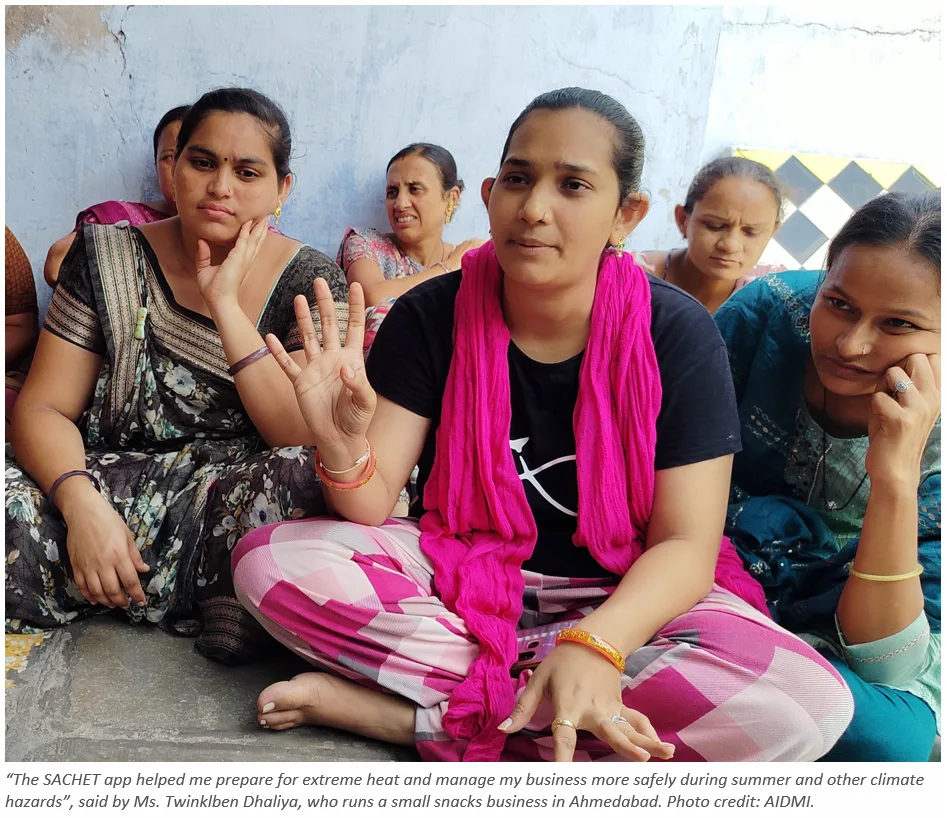
A farmer in Odisha faces delayed rainfall and uncertain harvests. A small shop owner in Ahmedabad closes early because extreme heat reduces customer activity. Coastal families in Bangladesh prepare every year for stronger cyclones that threaten homes and livelihoods. Climate stress is quietly reshaping how communities work, migrate, and survive.
These realities challenge the foundations of the traditional humanitarian system. Historically, humanitarian response has focused on providing assistance after disasters occur. However, in a world where climate extremes happen more frequently and often overlap, response alone is no longer enough.
South Asia now requires its own reset of the current Humanitarian Reset—one that shifts the focus from reaction toward local anticipation, prevention, and resilience.
Climate change in the region is already a humanitarian crisis. Extreme heat threatens outdoor workers and reduces productivity. Floods destroy homes and crops. Cyclones disrupt local economies and displace families. Droughts deepen poverty and push migration. Importantly, these risks rarely occur in isolation; communities often face several hazards at once.
Food systems lie at the heart of this vulnerability. Agriculture, fisheries, and livestock support millions of livelihoods across South Asia. Strengthening climate-resilient agriculture—through drought-resistant crops, improved water management, and better climate advisory systems—can help protect both food producers and food security.
At the same time, early warning systems must translate into early protection. Community networks, volunteer groups, and preparedness programmes can help turn climate forecasts into practical action before disasters strike. These anticipatory approaches reduce losses, safeguard livelihoods, and strengthen resilience.
Coordination also plays a vital role. Climate crises involve governments, humanitarian agencies, civil society organisations, and local institutions. Effective coordination ensures that resources reach those most in need. Anticipatory financing mechanisms can further enable early action by releasing funds before disasters escalate.
Yet institutions alone cannot deliver this reset; affected communities themselves remain the first responders. Farmers adjusting planting practices, neighbourhood volunteers preparing for floods, and small businesses adapting to extreme heat represent the true front line of resilience.
South Asia stands at a critical moment. The challenge ahead is not whether the Humanitarian Reset must change, but how quickly it can reset itself again to protect those most exposed to the risk.