Search
Or hit enter to search
Home has always meant comfort, safety and rest. Even our ancestors retreated into caves to shelter from the dangers outside. When we think of extreme heat as a disaster, we often imagine the risk as coming from direct exposure outdoors. Staying indoors may therefore seem enough to stay safe. Yet, heat can also make homes unsafe, especially those with plastic-sheet roofs and little ventilation or cooling. For home-based small business owners, the home is both shelter and workspace. This year’s International Day for Disaster Risk Reduction’s theme, “Resilience Starts at Home,” may seem obvious, however, it is, one of the most overlooked spaces.
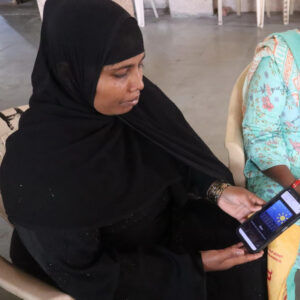
Resilience starts at home only when the home protects the woman at its centre: the space she works in, the knowledge she acts on and the body she relies on. A Heat Action Planning for All (HAPA) workshop with women in Gujarat’s home-based kite-making industry showed where each of these protections is breaking down.
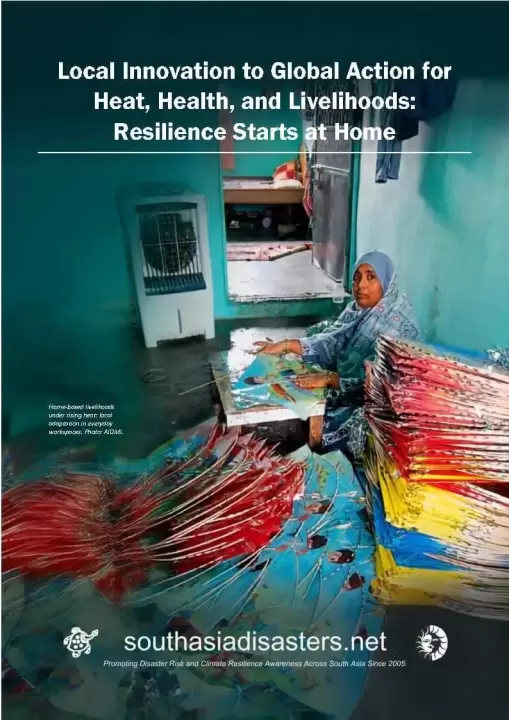
The first gap lies in the workspace. Months before the kite-flying season in January, women kite-makers begin production, many working towards a target of 1,000 kites a day, seated for long hours in homes that are their primary workstations. Yet they cannot switch on a fan or cooler, because the airflow dries out the glue and turns a day’s work into a loss. Here, heat is not only a health risk but a tax on livelihood. Women-led small businesses choose to cool their workspaces, through passive cooling such as better ventilation, shaded openings and cool roofs.
The value of protecting one’s health from heat comes when there is an awareness of how the body responds to heat and the measures that can be taken to be prepared. Despite facing symptoms like dizziness, headaches and fatigue, they are often dismissed as ordinary discomfort as the knowledge of heat stroke remains limited. Most women-led small businesses knew of ORS and electrolytes, but often learned their importance only after facing heat-related illness. Learning about warning signs encouraged women to pay closer attention to their health.
Individual resilience, however, cannot develop in isolation. When women recognise heat risks, families support safer practices, and communities share timely information, individual preparedness becomes collective resilience. Trusted community groups can help spread awareness before summer, while local systems can support safer home-based workspaces.
As this year’s IDDRR came to a close, the workshop showed that its theme is less obvious than it first appears, and that each experience points to a way forward. Through community groups they already trust, passive and effective cooling as well as heat-health a
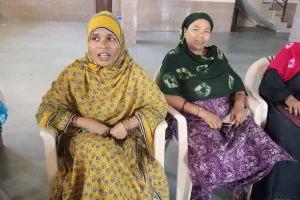
wareness can reach women before the season begins, not after they fall ill. When Heat Action Plans see home-based women workers in this way, they protect not only health but livelihood and dignity. Women hold their households together through every heat season; resilience truly starts at home when the home, and the plans around it, hold them too.
For more information, please contact: support@aidmi.org